What Are the Climate Conditions for Growing Tea Trees in Turkey?

Certain climate conditions are necessary for the growth of tea trees in Turkey. Tea trees thrive best in temperate climate conditions. Particularly, warm and humid summers along with mild winters are ideal for the growth and productivity of tea trees. Therefore, the Black Sea Region of Turkey is one of the most suitable places for tea cultivation. Tea trees generally show the best growth in the range of 10-30 °C, but they can be damaged if they fall below 0 °C.
Tea trees grow most efficiently in areas where the annual rainfall is 1500 mm or more. Thus, tea cultivation is more successful in places where rainfall is regular and sufficient. Especially, areas influenced by the Black Sea climate provide a natural habitat for tea trees. Additionally, soil composition plays an important role in the development of tea trees; acidic and humus-rich soils are ideal for the root development of tea trees.
Tea trees are plants that love sunlight. However, exposure to direct sunlight can cause leaf burns, so they can also grow in slightly shaded areas. Besides climate conditions, external factors such as wind can also affect the growth of tea trees. In windy regions, there is a risk of branches breaking, which can negatively impact the productivity of the trees.
In conclusion, suitable climate conditions must be provided for growing tea trees in Turkey. The Black Sea Region, with its warm and humid climate, is one of the most suitable areas for tea cultivation. The climate and soil characteristics in this region ensure that tea trees grow healthily and yield high productivity. In addition to climate conditions, factors such as irrigation and maintenance must also be taken into account in the cultivation of tea trees.
In Which Provinces is the Tea Tree Commonly Found?

In Turkey, tea tree cultivation is particularly concentrated in the Black Sea Region. This area provides the climate and soil conditions necessary for tea trees to grow naturally. Especially, the provinces of Rize, Artvin, and Trabzon are the most active locations for tea farming. Rize is the most well-known tea production center in Turkey, where tea trees are grown in terraces on the mountain slopes. The climate in these provinces allows tea trees to grow healthily, making tea production quite productive.
- Rize
- Trabzon
- Artvin
- Giresun
In addition to Rize, the province of Giresun also holds significant importance for tea cultivation. In Giresun, tea production is primarily carried out in high-altitude areas, particularly in regions away from the sea. The tea gardens in this province greatly contribute to the local economy. Giresun tea is noted for its unique aroma and flavor. Furthermore, the tea harvesting season in these regions has become a social and economic event for the local people.
Artvin is another region where tea trees are commonly found. The tea gardens in Artvin are generally located at higher altitudes, which positively affects the quality of the tea. Since the tea produced in this region is typically in smaller quantities, it stands out for its quality and taste. Tea producers in Artvin are becoming a recognized brand in both local and international markets by processing their tea using traditional methods.
Lastly, the province of Trabzon has great potential for tea tree cultivation. The tea gardens in Trabzon play an important role, especially regarding the flavor and quality of the tea. Trabzon tea is known for its rich aroma and is frequently consumed by the local population. Additionally, modern agricultural techniques are also being used in tea production in this province, which increases productivity. Trabzon has also become an important destination for tea tourism.
What Types of Soil Are Suitable for Growing Tea Trees?
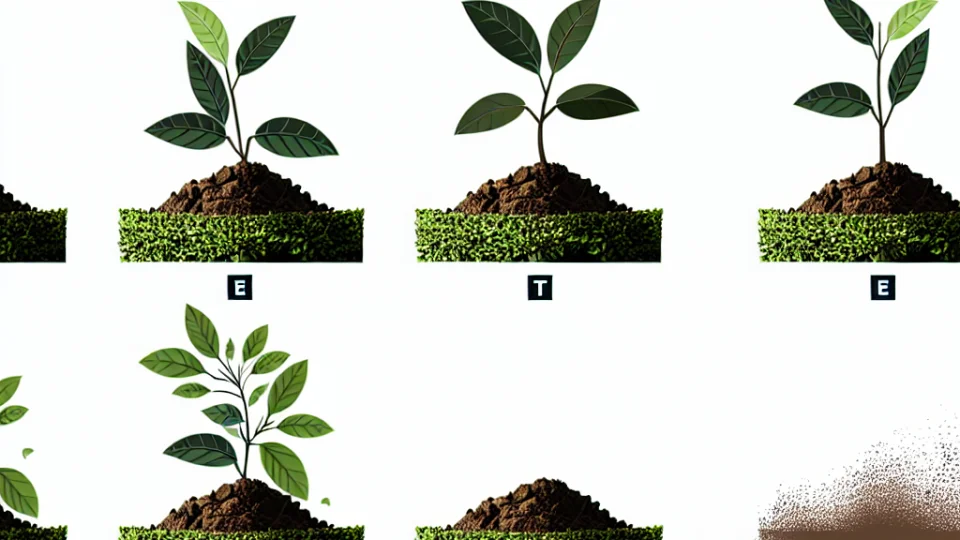
The tea tree requires specific soil conditions to grow healthily. This tree generally thrives best in acidic and well-drained soils. An ideal pH level for the soil is between 4.5 and 6.0. This pH range helps the tea tree's roots absorb nutrients more efficiently. Rich organic matter in the soil greatly contributes to the growth process of the tea tree.
Among the suitable soil types for growing tea trees, sandy and loamy soils stand out. Sandy soils allow for quick drainage of water, while loamy soils help retain water and nutrients better. These two soil types support the root development of the tea tree and enable the plant to grow healthily. Additionally, these soils also aid in the deepening of the tea tree's root system.
- Acidic soils
- Sandy soils
- Loamy soils
- Well-drained soils
In the soil where the tea tree is cultivated, soil salinity
What Methods Are Used in Tea Tree Production?

The methods used in tea tree production are crucial for the healthy growth of the plant. Firstly, the cutting method is commonly preferred. In this method, the tips of young tea trees are cut, encouraging the plants to produce new shoots. The cutting process is usually carried out at the beginning of spring. This accelerates the growth cycle of the plants and results in a more productive harvest. The proper timing of the cutting process is critical for the health of the tea tree.
Another important production method is the layering method. In this method, healthy branches of mature tea trees are buried in the soil to develop new roots. The layering method is typically applied in the spring months, making it easier for young plants to adapt to the soil. The new plants obtained through this method begin to grow independently from their native sources. Layering is an effective technique for propagating tea trees and reduces production costs.
Additionally, the seed propagation method is also used in tea tree production. In this method, tea tree seeds are processed in a certain way to prepare them for planting. Although seed propagation takes longer, it increases the genetic diversity of the plant. Seeds usually germinate in warm and humid environments. During the germination process, the seeds need to be regularly watered and provided with suitable light conditions. Tea trees obtained through this method tend to be more resilient and healthier.
Finally, organic farming methods are increasingly being adopted in tea tree production. These methods aim to minimize the use of chemical fertilizers and pesticides, preserving the natural balance. In organic tea production, natural fertilizers and biological control methods are used. This ensures an environmentally friendly production process while also enhancing the quality of the teas. Organic tea offers significant advantages for both consumers and the environment.
How Should Tea Trees Be Cared For?

Tea trees require regular and careful maintenance to grow healthily. One of the most important stages of this maintenance process is conducting a soil analysis. Soil analysis determines the pH level, nutrient content, and water retention capacity of the soil. This information is crucial in identifying the nutrient supplements and irrigation methods needed for tea trees. Additionally, the suitability of the soil structure directly affects the root development and overall health of the tea trees.
The watering needs of tea trees vary depending on climate conditions and soil type. Generally, when sufficient watering is not provided, the growth of the trees stagnates and the leaves dry out. Watering becomes even more important during the summer months and the flowering period. During this process, it is recommended to regularly check the soil's moisture level and water as needed. It should also be noted that overwatering can lead to root rot.
The fertilization process is also important for the healthy growth of tea trees. To produce high-quality tea, the nutrients that the trees need must be provided in a timely manner. Fertilization should generally be done in the spring and autumn months. Organic fertilizers should be preferred to meet the nutritional needs of tea trees. Additionally, using fertilizers rich in nitrogen, phosphorus, and potassium supports the growth of the tree and increases productivity.
Finally, pest and disease control should also be considered during the care of tea trees. Tea trees are susceptible to various pests and diseases. Therefore, the leaves and stems of the trees should be regularly checked, and any signs of disease should be addressed promptly. Biological control methods can be used as an alternative to chemical pesticides, thus ensuring an environmentally friendly production process.
What is the Economic Importance of the Tea Tree?

The tea tree is an important economic resource, especially in the Black Sea region of Turkey. The leaves of this tree constitute the main ingredient of teas consumed worldwide. Tea production is of great significance not only for the agricultural sector but also for local economies. Particularly in Rize and its surrounding provinces, tea cultivation is the source of livelihood for many families. Along with tea production, employment in this region is also increasing.
The economic importance of the tea tree is not limited to agricultural production. Tea also holds a significant market share as processed products. Tea factories process tea leaves to produce various types of tea. These products are in demand both in domestic and foreign markets. Exports create an important source of income for Turkey's tea production, contributing to the national economy.
The tea tree and its associated products also hold a significant place in Turkey's social and cultural structure. Tea culture is an indispensable part of the social life of Turkish society. Beyond being a beverage served to guests, tea is an integral part of daily life for many people. This makes tea production a sector that supports cultural and social values.
Finally, the environmental benefits of the tea tree also enhance its economic importance. Tea plantations prevent soil erosion and support biodiversity. When combined with sustainable agricultural practices, these types of farming contribute to both environmental protection and economic gain. The multifaceted contributions of the tea tree make it not only an agricultural product but also an important actor in Turkey's economic and social structure.
How Does Tea Tree Cultivation Occur in Natural Environments?
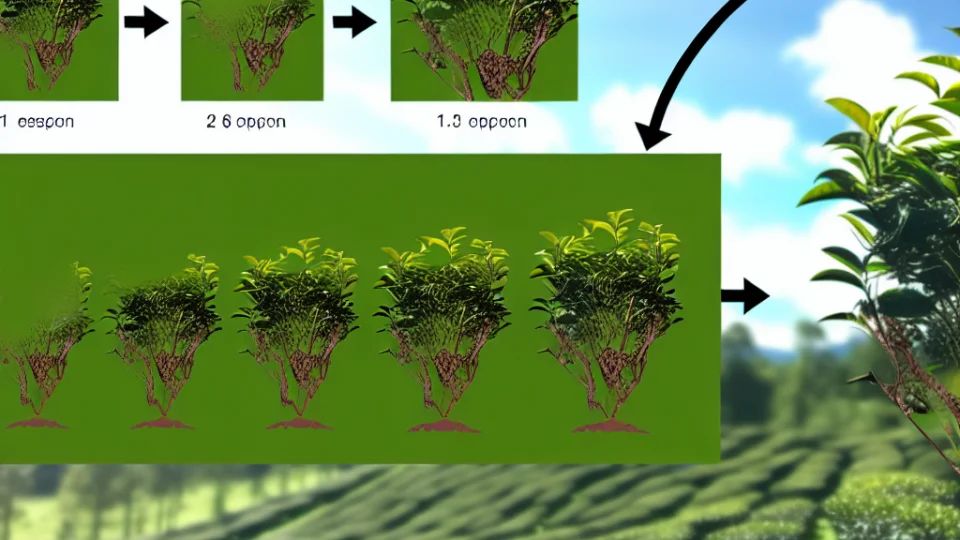
The tea tree requires specific climate conditions and soil characteristics to grow healthily in its natural environment. This tree typically thrives in humid and warm climates, in regions that receive balanced rainfall throughout the year. Specifically, the ideal temperature range for tea trees is around 18-30 °C. High-altitude areas create an effect that enhances the aromas of tea trees. Therefore, the cultivation of tea trees in natural environments is shaped by climate and weather conditions.
Tea trees grow more efficiently in soils that are high in acidity. The pH level of the soil should generally be between 4.5 and 5.5. These conditions help the root system of tea trees to develop healthily and absorb nutrients more effectively. Additionally, maintaining soil moisture is crucial for tea trees. Overwatering or drying out can negatively affect the growth of the trees.
While the tea tree grows in its natural environment, it also interacts with the surrounding vegetation. Other plants can have positive or negative effects on the development of tea trees. For example, plants located next to tea trees can enhance soil fertility by nourishing the root system. However, some grasses and shrubs can be competitive resources, so it is important to keep such plants under control.
The cultivation of tea trees in natural environments also requires resistance to diseases and pests. Therefore, it is important to regularly maintain the trees and take necessary precautions to protect their health. Various insects and fungal diseases are among the natural enemies of tea trees. Thus, maintaining the natural balance and keeping pests under control is a critical factor for ensuring the healthy growth of tea trees.