What Are the Antiseptic Properties of Tea Tree Oil?
Tea tree oil is a powerful natural compound known for its antiseptic properties. This oil plays an effective role in preventing bacterial infections on the skin. Thanks to its terpene and monoterpene components, it can quickly heal problems such as wounds or acne that occur on the skin. Additionally, these properties of tea tree oil make it ideal for use as a natural antiseptic. Thus, it is possible to achieve healthy skin without resorting to chemical substances.
The antiseptic effect of tea tree oil is not limited to preventing the proliferation of bacteria on the skin. This oil can also be effective against fungi and viruses. Especially fungal infections can cause itching and discomfort on the skin, while tea tree oil offers an effective alternative for treating such problems. With its antiseptic properties, it reduces inflammation on the skin, protects skin health, and accelerates the healing process.
One of the most practical ways to use tea tree oil is to apply it directly to the skin. However, it is always recommended to dilute it with a carrier oil before direct use. For example, mixing it with jojoba or coconut oil reduces the risk of irritation on the skin. Regularly applying this oil can be beneficial in preventing acne formation on the skin. This way, you can help maintain the bacterial balance on your skin.
Finally, the antiseptic properties of tea tree oil are important not only for skin health but also for overall hygiene. Especially for those who want to prepare natural cleaning products at home, tea tree oil is an excellent ingredient. This oil, which you can use as a natural disinfectant, effectively eliminates bacteria on surfaces. Thus, you can protect your skin health while making your living spaces healthier.
How Does Tea Tree Oil Fight Acne on the Skin?
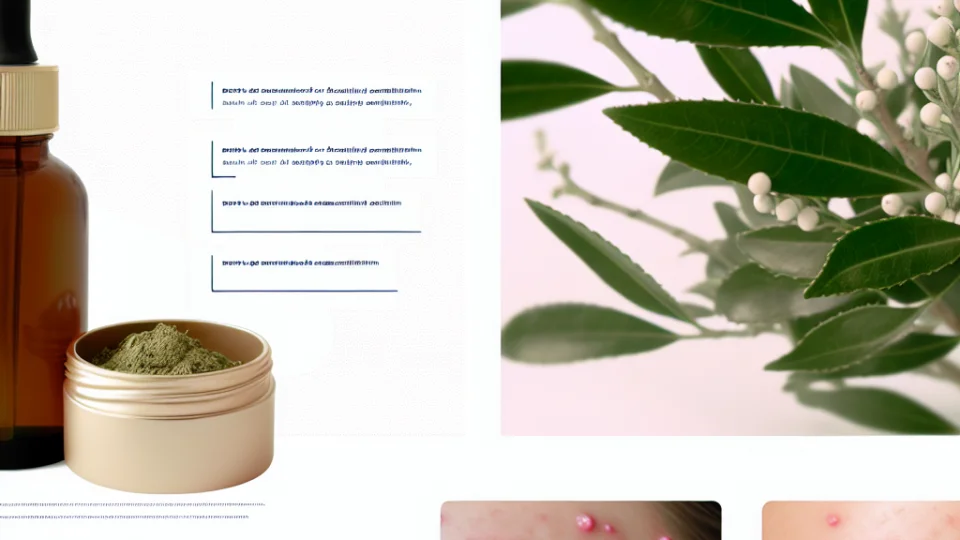
Tea tree oil is a highly effective natural remedy for combating acne problems on the skin. Thanks to its antibacterial and antiseptic properties, it prevents the proliferation of bacteria that cause acne, reducing inflammation on the skin. Additionally, it regulates the oil balance on the skin, preventing excessive oiliness. This way, it helps to reduce acne formation by preventing the clogging of skin pores. These effects of tea tree oil are frequently recommended by dermatologists.
When using tea tree oil, it is essential to dilute it before applying it directly to your skin. Pure tea tree oil can cause irritation, so mixing it with a carrier oil is the best method. For example, when mixed with jojoba oil or coconut oil, it is better absorbed by the skin and reduces the risk of irritation. It is also important to regularly apply a moisturizing cream to your skin after application.
- Tea tree oil kills bacteria that cause acne.
- By reducing inflammation on the skin, it lightens the appearance of acne scars.
- It prevents acne formation by clogging the pores.
- By regulating the oil balance, it prevents excessive oiliness on the skin.
Among the treatment methods using tea tree oil, applying a face mask a few times a week is also included. You can prepare a mask by mixing a few drops of tea tree oil with natural ingredients like clay or yogurt. This mask penetrates deeply into your skin, tightening the pores and absorbing excess oil. Additionally, when used regularly, it helps to even out skin tone and reduce the appearance of acne scars.
How Does Tea Tree Oil Reduce Inflammation on the Skin?
Tea tree oil is a highly effective natural product for reducing inflammation on the skin. Its anti-inflammatory components can quickly soothe redness and swelling on the skin. Individuals suffering from skin conditions such as acne, eczema, and psoriasis may observe a reduction in their inflammation by using tea tree oil regularly. The healing effect this oil has on the skin contributes to a healthier and more balanced appearance.
The effect of tea tree oil on inflammation is also related to its ability to strengthen the skin's natural defense mechanisms. The oil reduces the risk of inflammation by preventing the proliferation of harmful bacteria on the skin. Thus, it provides significant support in the treatment of skin inflammation. Additionally, thanks to its antibacterial properties, this oil helps infections on the skin heal quickly.
- Reduces redness on the skin.
- Accelerates the healing process of the skin.
- Reduces the risk of infection.
- Regulates the oil balance on the skin.
When using tea tree oil, it is important to determine a method suitable for your skin type. Generally, it is not recommended to apply tea tree oil directly to the skin; instead, it is healthier to use it mixed with a carrier oil. This mixture helps you target inflammation without harming your skin. Additionally, it is beneficial to conduct a sensitivity test to see how your skin reacts to this oil.
Methods to Maintain Skin Oil Balance with Tea Tree Oil
Tea tree oil is a highly effective natural ingredient for maintaining the oil balance of the skin. Excess oil production on the skin is often one of the main causes of acne and other skin problems. The natural components in tea tree oil help to balance the skin and reduce oil production. It is recommended to dilute the oil with a carrier oil instead of applying it directly to the skin. This way, you can achieve effective results without harming your skin.
One of the most effective ways to use tea tree oil on the skin is to apply it as a mask. Thanks to its strong antiseptic properties, it regulates the oil balance of the skin while also cleansing the pores. You can create a face mask by mixing a bit of tea tree oil with natural ingredients like yogurt or honey. This mixture not only helps maintain the skin's oil balance but also provides nourishing properties to the skin. It is recommended to apply it once or twice a week.
- Using aloe vera along with tea tree oil helps maintain the skin's moisture balance.
- Adding tea tree oil to your daily skincare routine helps to continuously maintain the skin's oil balance.
- Using tea tree oil as a toner reduces pore size and decreases oil production.
- It is important to dilute with a suitable carrier oil for your skin type before applying directly to the skin.
The correct use of tea tree oil to maintain the skin's oil balance should be determined specifically for each skin type. For instance, those with oily skin are advised to use more tea tree oil, while a more cautious approach should be adopted for dry skin. Additionally, regular cleansing routines to balance the oil on the skin are also very important. By using cleansing products suitable for your skin type, you can help maintain the skin's oil balance.
How to Reduce Redness on the Skin with Tea Tree Oil?
Redness on the skin can arise from various causes and may negatively affect skin health. Tea tree oil offers an effective solution for such skin issues due to its powerful antiseptic and anti-inflammatory properties. Especially in cases of acne, allergic reactions, and skin irritations, the use of tea tree oil helps the skin to quickly soothe. Additionally, it aids in maintaining the skin's natural balance.
There are several ways to use tea tree oil to reduce redness on the skin. First, you can soak a cotton ball in tea tree oil and apply it directly to the affected area. This method helps to reduce redness while also contributing to the calming of the skin. Furthermore, you can dilute tea tree oil with a carrier oil for use. This way, you minimize the risk of skin irritation.
- Tea tree oil can be applied directly.
- It can be used mixed with a carrier oil.
- Different mixtures can be tried according to skin type.
- Regular use reduces redness on the skin.
Another important point to consider during application is the duration that tea tree oil stays on the skin. Prolonged exposure can cause irritation. Therefore, it is recommended to wait for 10-15 minutes after applying the oil and then gently wash your skin. Additionally, if you are using it for the first time, it is advisable to test a small area of your skin to check for any allergic reactions.
What is the Effect of Tea Tree Oil on Signs of Aging?
While tea tree oil is known for its benefits to skin health, it also plays a significant role in reducing signs of aging. Particularly due to its ability to enhance skin elasticity, it helps diminish the appearance of fine lines and wrinkles. This oil supports the renewal of skin cells while also maintaining the skin's moisture balance, contributing to a more youthful appearance.
The antioxidant components found in tea tree oil are of great importance in preventing signs of aging. These components combat free radicals, reducing cellular damage in the skin and evening out skin tone. As a result, the dull and lifeless appearance of the skin disappears; the skin gains a more vibrant and radiant look. These properties of tea tree oil provide an ideal solution for those looking to slow down the effects of aging.
Regular use of tea tree oil offers protection against factors that cause skin aging. It particularly strengthens the skin's protective mechanisms against the harmful effects of the sun. Sunlight is one of the most significant causes that accelerate signs of aging in the skin. Tea tree oil helps the skin resist UV rays, preventing early signs of aging.
The effect of tea tree oil on signs of aging is not limited to the appearance on the skin. By increasing blood circulation in the skin, it ensures better nourishment of the cells. This situation accelerates the skin's self-renewal process and helps it achieve a healthier appearance. Tea tree oil, included in skincare routines, offers a natural and effective alternative for those wishing to delay the effects of aging.
What Are the Correct Methods for Using Tea Tree Oil?
Tea tree oil is a powerful natural product known for its benefits to skin health. However, for this oil to be effective, it must be used correctly. First and foremost, you should always dilute tea tree oil before applying it to your skin. Using it in its pure form can cause irritation. It is generally recommended to mix a few drops of tea tree oil with a carrier oil (such as jojoba or coconut oil). This way, you can enhance the oil's effectiveness while preventing damage to your skin.
Among the application methods, applying tea tree oil directly to problem areas is quite effective in treating issues like acne and inflammation. For this, you can gently apply it to your skin using a cotton ball. You should focus only on areas with acne and pimples, avoiding spreading it over large areas. Additionally, performing this application 1-2 times a day will help you achieve effective results. Don't forget to wash your skin after application, as this enhances the oil's effect by preventing it from remaining on the skin.
Another way to incorporate tea tree oil into your skincare routine is to add it to masks. For example, adding a few drops of tea tree oil to your face mask allows you to benefit from the oil's advantages along with the mask. Such applications help maintain the oil balance in the skin while also killing bacteria, giving you a healthy appearance. After applying the mask, remember to cleanse your skin to avoid leaving the oil on.
Finally, it is very important to monitor the skin's reaction during the use of tea tree oil. If you are using it for the first time, don't forget to perform an allergy test first. After applying a small amount of oil to the inside of your wrist, wait for 24 hours. If there is no irritation or allergic reaction, you can safely use the oil. However, if you encounter any negative situation, you should stop using it immediately. When used correctly, tea tree oil can provide great benefits to your skin.