What Are the Benefits of Tea Tree Oil?
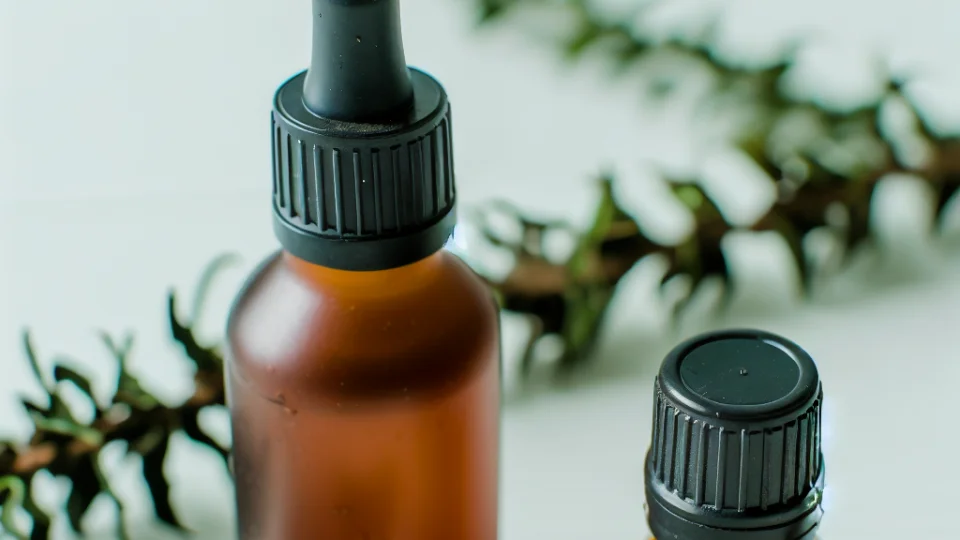
Tea tree oil is a natural antiseptic and antibacterial essential oil. Due to these properties, it is frequently used in the treatment of acne, pimples, and other skin issues. It also helps wounds heal quickly and reduces the risk of infection. The benefits of tea tree oil make it a popular choice in natural remedies for skin health.
Tea tree oil also offers significant benefits for hair health. It helps alleviate issues such as dandruff and itching on the scalp while contributing to the nourishment of hair follicles. This, in turn, reduces hair loss issues and helps hair appear healthier and more vibrant. Additionally, by maintaining the moisture balance of the scalp, it prevents dryness and ensures that hair looks shinier.
Moreover, tea tree oil reduces inflammation in the skin thanks to its anti-inflammatory properties. It can particularly help alleviate symptoms of skin conditions such as eczema and psoriasis. While assisting in the reduction of redness and swelling, it also contributes to a healthier appearance of the skin. Therefore, the use of tea tree oil in skincare products is becoming increasingly common.
- Antiseptic and antibacterial properties
- Protection against dandruff and hair loss
- Reduction of inflammation
- Quick healing of skin wounds
Finally, tea tree oil also has applications in the field of aromatherapy. Known for its stress and anxiety-reducing effects, this oil is preferred for providing mental relaxation. Thus, it stands out as a natural solution that supports both physical and mental health. The versatile benefits of tea tree oil make it an important component in both personal care and healthy living.
In Which Areas Should I Use Tea Tree Oil?
Tea tree oil can be effectively used in many areas as a versatile and natural product. This oil plays a significant role in skin health, especially due to its antibacterial and antifungal properties. It is frequently preferred in the treatment of acne to reduce inflammation and prevent the formation of pimples. Additionally, it helps wounds heal faster while also reducing the appearance of scars. Furthermore, it is commonly used in skincare products.
- Skincare
- Hair care products
- Aromatherapy
- Massage oils
Another important application area of tea tree oil is in hair care. This oil offers a natural solution for hair loss, dandruff, and scalp issues, helping to nourish hair follicles for healthier hair structure. By reducing itching and irritation on the scalp, it allows you to achieve a healthier and more vibrant appearance. When used in hair care products, it helps maintain the moisture balance of the hair.
The use of tea tree oil is also common in the field of aromatherapy. This oil is included in various blends to promote mental and emotional balance, helping to reduce stress. When used in baths or steam machines, it improves your mood with its refreshing and relaxing effects. Additionally, it can be used as a natural disinfectant at home, cleaning the environment and eliminating unpleasant odors.
Finally, the use of tea tree oil in massage oils is quite common. This oil can be used during massages to alleviate muscle and joint pain. When applied to painful areas, it promotes relaxation by increasing blood circulation. Moreover, it helps reduce muscle tension, thus providing a more comfortable range of motion. The versatile uses of tea tree oil highlight it as a natural remedy.
Things to Consider in Skin Care with Tea Tree Oil
Tea tree oil is a highly effective natural ingredient in skin care. However, to fully benefit from its positive effects on the skin, it is important to pay attention to some key points. First of all, tea tree oil should always be diluted before applying it directly to the skin. Since its pure form can cause irritation, it is best to use it mixed with carrier oils like olive oil or coconut oil. This way, you can perform effective skin care without harming your skin while benefiting from the advantages of tea tree.
The second important point is the suitability of tea tree oil for your skin type. Each skin type has different characteristics, and some skin types may be more sensitive to this oil. Especially for dry and sensitive skin, the use of tea tree oil should be planned carefully. In this regard, it would be beneficial to conduct a test suitable for your skin type by trying the oil on a small area. If no allergic reaction or irritation occurs, you can continue to use it safely.
- Dilute with a carrier oil suitable for your skin type.
- Conduct a patch test on a small area.
- Avoid the eye area.
- Be patient with regular use.
Adjusting the appropriate dosage when using tea tree oil is also very important. Excessive use can lead to dryness and irritation of the skin. Therefore, especially during the first uses, starting with a smaller amount and observing your skin's reaction will be the healthiest approach for subsequent uses. Additionally, when performing skin care applications with tea tree oil, it is essential not to neglect using sunscreen. It is recommended to avoid exposure to sunlight as it may increase skin sensitivity.
What Are the Effects of Tea Tree Oil on Hair Health?
Tea tree oil is a natural ingredient that offers numerous benefits for hair health. It stands out as an effective solution for issues such as dandruff and itching on the scalp. The natural antimicrobial properties contained in this oil cleanse the scalp, creating a healthy environment. Regular use helps strengthen hair roots and reduces hair loss, allowing you to have fuller and livelier hair.
Another positive effect of tea tree oil on hair health is its ability to help hair appear shinier and healthier. An imbalance of oil on the scalp can create a dull and lifeless appearance. Tea tree oil contributes to restoring this balance, helping hair regain its natural shine. Additionally, it nourishes hair strands, preventing breakage.
One of the effects of tea tree oil on hair is its ability to stimulate hair follicles and promote growth. This oil increases blood circulation, allowing more nutrients and oxygen to reach the hair roots. Thus, it helps hair grow faster and healthier. This effect, which strengthens hair roots, is particularly beneficial for fine and weak hair.
Finally, tea tree oil is also noted for its moisturizing properties for the scalp. A dry scalp can lead to issues such as itching and hair loss. Tea tree oil offers an effective method to solve this problem. It not only alleviates dryness on the scalp but also enhances the overall health of the hair. This makes it possible to achieve stronger hair with a healthy and hydrated scalp.
What Should Be the Safe Usage Amount of Tea Tree Oil?
Tea tree oil provides numerous benefits for skin and hair health due to its natural antibacterial and antifungal properties. However, it is extremely important to use the correct amount of this potent oil to ensure safe usage. Generally, tea tree oil should be diluted before applying it directly to the skin. Pure tea tree oil can cause irritation on the skin, so it is usually recommended to use it diluted at a concentration of 2-5%. This dilution allows the oil to be used on the skin without causing harm while maintaining its effectiveness.
Before using tea tree oil, it is beneficial to consider your skin type and sensitivity. For instance, if you have sensitive skin, you may need to dilute tea tree oil at lower concentrations. Additionally, there is a risk of allergic reactions during the use of this oil. Therefore, it is important to conduct a patch test on a small area during the first use to observe your skin's reaction to the oil. If you experience any discomfort on the skin, you should immediately discontinue use.
The safe use of tea tree oil is also very important in hair care. When applying it to the scalp, generally 2-3 drops of tea tree oil should be mixed with one teaspoon of carrier oil. This mixture not only nourishes the scalp but also helps in combating issues like dandruff. During application, it is essential to thoroughly massage the tea tree oil into the hair roots and scalp. After this application, waiting for 30 minutes and then washing your hair will help you achieve the best results.
Finally, when it comes to oral intake of tea tree oil, this should be done with caution. The amount of tea tree oil to be used orally is generally limited to a few drops and must be diluted. Otherwise, it can lead to stomach discomfort. It is always best to consult a specialist regarding oral use and obtain information about dosing. It should be noted that each individual's skin and body structure is different; therefore, it is crucial not to exceed the recommended amounts.
Are There Any Side Effects? Be Careful When Using Tea Tree Oil!
Although tea tree oil is known for its many benefits, it is important not to overlook the importance of proper usage. Users may encounter some side effects when using this oil. In particular, skin irritation or allergic reactions are common occurrences. Therefore, it is recommended that those using tea tree oil for the first time always perform a patch test. This means applying the oil to a small area of the skin and waiting 24 hours, which will be beneficial in detecting potential allergic reactions in advance.
Additionally, it has been observed that tea tree oil can cause skin dryness or excessive sensitivity in some individuals. Such side effects can generally arise from excessive use or formulations that are not suitable for the skin type. Being cautious about the negative effects that may occur on the skin is extremely important to both experience the benefits of the oil and avoid adverse situations. Keeping these points in mind during use is critical for achieving a healthy experience.
Due to its powerful components, tea tree oil can also lead to systemic side effects such as headaches or nausea in some individuals. Therefore, especially pregnant and breastfeeding women should consult a specialist before using the oil. Moreover, the use of tea tree oil for children is also a matter that requires attention. For individuals in the younger age group, obtaining pediatric specialist advice before using the oil is quite beneficial in minimizing potential risks.
Finally, it is important to carefully adjust the dosage and application frequency when using tea tree oil. Excessive use can cause skin irritation and may also reduce the benefits of the oil. Users are advised to follow the instructions on the product label and contact a specialist if necessary. In this way, it will be possible to maximize the benefits provided by tea tree oil.
How Can I Combine Tea Tree Oil with Other Oils?
Tea tree oil is a powerful oil known for its antiseptic and anti-inflammatory properties. When combined with other oils, its effectiveness can increase and provide a more effective solution for various skin issues. For example, when tea tree oil is combined with jojoba oil, it helps to maintain the skin's oil balance. This combination controls excess oiliness while also soothing skin irritations. Additionally, when these oils are used together, they can enhance the skin's moisture levels and help you achieve a healthier appearance.
You can also use tea tree oil by blending it with lavender oil. Lavender oil is known for its relaxing and soothing effects. The combination of these two oils helps to prevent the formation of acne and pimples on the skin while reducing redness. Especially when applied in the evenings, you can see the positive effects of this mixture on your skin more quickly. By mixing lavender oil with tea tree oil, you can prepare a night oil and add it to your skincare routine.
- Tea Tree Oil and Jojoba Oil
- Tea Tree Oil and Lavender Oil
- Tea Tree Oil and Coconut Oil
- Tea Tree Oil and Almond Oil
Coconut oil is a highly popular oil in skincare, and when combined with tea tree oil, it helps to prevent dryness in the skin. While coconut oil is recognized for its nourishing properties, tea tree oil supports this effect with its antibacterial properties. Together, these two oils create an effective combination for reducing acne scars and evening out skin tone. Moreover, you can also use this mixture in hair care to enhance the health of your scalp.