What Are the Antiseptic Properties of Tea Tree Oil?
Tea tree oil is an effective natural compound known for its antiseptic properties. This oil stands out particularly for its benefits to skin health. The components contained in tea tree oil have the ability to kill germs and bacteria. Therefore, it offers an effective solution against many skin problems. It is frequently used, especially in the treatment of acne, pimples, and wounds. Thanks to its antiseptic property, it helps prevent inflammation on the skin, contributing to a healthier appearance.
The antiseptic effect of tea tree oil is particularly effective in preventing bacterial infections on the skin. Applying it to wounds and cuts reduces the risk of infection while also promoting faster healing of the wounds. Additionally, it helps increase blood flow in the area where the oil is applied, aiding in quicker skin repair. The most important point to note in its use is that tea tree oil should be used diluted; as its concentrated form can cause irritation on the skin.
- Treatment of acne and pimples
- Reduction of infection risk in wounds and cuts
- Prevention of skin inflammation
- Effective protection against fungal infections
The antiseptic properties of tea tree oil are not limited to the skin; it can also be beneficial for the respiratory tract. This oil can be used in the fight against respiratory infections. Especially during cold and flu seasons, inhaling the vapor of this oil can help strengthen the immune system. Additionally, it can be used as a natural cleaning product in the home environment. Tea tree oil is an ideal choice for killing bacteria on surfaces and can be preferred as an alternative to chemical cleaning products.
How to Use Tea Tree Oil for Skin Problems?
Tea tree oil stands out as a highly effective natural remedy for skin problems. Especially used in combating skin issues such as acne, blackheads, and blemishes, this oil reduces inflammation in the skin thanks to its antiseptic and anti-inflammatory properties. Cleaning the skin before application enhances the oil's effectiveness. Therefore, it is important to cleanse your skin with an appropriate cleanser before using tea tree oil.
- Can be applied directly for acne treatment.
- Helps reduce redness on the skin.
- Can be used as an ideal moisturizer for oily skin.
- Contributes to evening out skin tone.
When using tea tree oil for your skin problems, there are some points you should pay attention to. First of all, it is important to dilute this oil with a carrier oil before applying it directly to your skin. This application is particularly helpful for those with sensitive skin types, as it prevents skin irritation. Additionally, you can test a small area of your skin before using tea tree oil to check for any allergic reactions.
During application, it is recommended to gently apply tea tree oil to the problematic areas using cotton. This process helps the oil to be better absorbed by the skin. By applying it regularly a few times a week, you may notice that skin issues decrease over time. However, if irritation or excessive dryness occurs, you should stop using it and consult a dermatologist.
What Are the Effects of Tea Tree Oil on Hair Health?
Tea tree oil is a natural compound that offers numerous benefits for hair health. It is particularly known for its effectiveness in combating issues such as dandruff and itching on the scalp. The natural components in this oil help maintain a healthy scalp while also strengthening hair follicles. With regular use, tea tree oil contributes to making hair look shinier and more vibrant. For this reason, it has become a commonly preferred ingredient in hair care products.
Hair loss is a common problem experienced by many people, and tea tree oil is beneficial in this regard as well. By nourishing hair follicles, this oil reduces hair loss, and when applied to the scalp, it increases blood circulation. As a result, hair follicles receive more nutrients and grow healthily. The anti-inflammatory properties of tea tree oil help reduce inflammation that causes hair loss, aiding in the formation of a healthier hair structure.
- Provides a healthy scalp with its anti-dandruff effect.
- Reduces hair loss for a fuller appearance.
- Nourishes hair follicles to support healthy growth.
- Reduces inflammation on the scalp with its anti-inflammatory properties.
Hair care practices using tea tree oil help maintain the natural structure of the hair. For instance, massages with tea tree oil rejuvenate the scalp while preventing hair from drying out and maintaining moisture balance. Thanks to the oil's natural moisturizing properties, hair breaks less and sustains less damage. As a result, tea tree oil stands out as an effective component that supports hair health. Therefore, it is recommended to incorporate tea tree oil into your hair care routine.
Is Tea Tree Oil Effective for Acne Treatment?
Tea tree oil is a highly effective natural product, especially for acne treatment. Thanks to its antiseptic and anti-inflammatory properties, it helps prevent the growth of bacteria on the skin and aids in the healing of existing acne. Clinical studies have shown that a 5% concentration of tea tree oil is more effective than benzoyl peroxide, which has a similar effect. This further reinforces the positive effects of tea tree oil on the skin.
To enhance the effects of tea tree oil on acne, it is important to use proper application methods. First, the skin should be cleansed and dried. Then, applying tea tree oil directly to the acne with a cotton ball allows for better absorption by the skin. Additionally, using a moisturizer after applying the oil can help prevent dryness that may occur. This method helps maintain the skin's natural balance.
- Tea tree oil reduces inflammation on the skin.
- It prevents acne formation by regulating the skin's oil balance.
- Regular use evens out skin tone.
- It can reduce wrinkles and scars on the skin.
There may be some side effects associated with the use of tea tree oil for acne treatment. Therefore, those with sensitive skin should perform an allergy test before use. To do this, it is sufficient to apply tea tree oil to a small area of the skin and wait for 24 hours. If there is no redness, itching, or burning sensation, the oil can be used safely. However, since every skin type is different, results may vary from person to person, and it is important to be patient during the treatment process.
The Use of Tea Tree Oil as a Natural Cologne
Tea tree oil stands out as a natural and effective alternative to cologne. Thanks to its antiseptic properties, this oil is beneficial for both skin and air purification. Compared to traditional cologne ingredients, tea tree oil contains fewer chemicals, creating a refreshing feeling by killing germs and bacteria on the skin. Therefore, it becomes a natural source of freshness used for both the body and the environment. The use of this oil is particularly ideal for those feeling overwhelmed by the heat during the summer months.
There are many ways to use tea tree oil as a natural cologne. For example, you can add 10 drops of tea tree oil to a spray bottle, fill it with water, and spray this mixture in various places around your home. This application eliminates unpleasant odors and ensures the environment feels fresh. Additionally, the natural cologne made with tea tree oil can also be used to reduce skin irritations. This way, personal hygiene is maintained, and skin health is preserved.
The natural cologne made with tea tree oil can be easily used not only at home but also while traveling. During travel, you can refresh your surroundings with this natural cologne on airplanes or public transport. Furthermore, thanks to the repellent effect of tea tree oil, it helps protect you from insects. In this respect, tea tree oil offers significant advantages for both personal care and environmental hygiene.
Finally, using tea tree oil as a natural cologne is an excellent option for those who want to clean without exposure to chemical ingredients. Its natural components minimize the risk of allergic reactions on the skin. Additionally, the scent of tea tree oil can improve your mood and help you cope with stress. Therefore, trying tea tree oil as a natural cologne would be a beneficial step for your health and happiness.
In Which Herbal Blends is Tea Tree Oil Used?
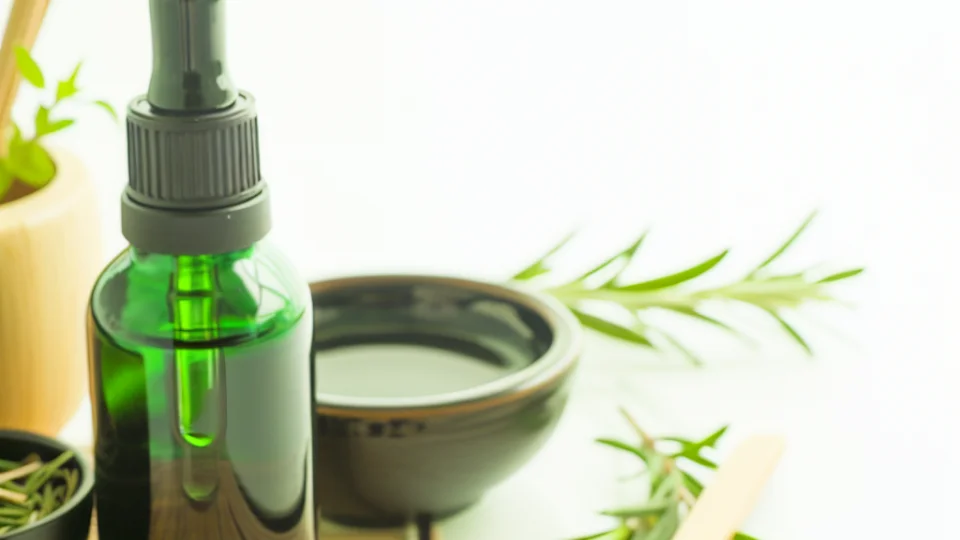
Tea tree oil stands out as a key component in many herbal blends. It is particularly commonly used in natural health products and skincare. The antiseptic properties of tea tree oil make it an ideal ingredient for tackling skin infections. Additionally, thanks to the natural components in this oil, it helps reduce inflammation on the skin and balance skin tone. These features ensure that tea tree oil is included in many herbal blends.
- In natural blends formulated for acne treatment
- In the treatment of skin conditions like eczema and dermatitis
- In shampoos and masks that promote scalp health
- In natural lotions that alleviate allergic reactions
Tea tree oil is also frequently used in herbal blends, especially for hair health. In products formulated for hair loss and dandruff issues, tea tree oil serves as an effective ingredient. This oil creates a conducive environment for healthy hair growth by cleansing the bacteria and fungi on the scalp. Furthermore, when added to conditioners and masks, it contributes to making hair look shinier and more vibrant.
Tea tree oil holds significant importance in skincare as well, as it helps alleviate dryness when combined with natural moisturizers. It is often found in herbal blends formulated specifically for dry and sensitive skin. Moreover, the use of this oil is common in natural ointments prepared for sunburns and redness. Tea tree oil soothes skin irritation, giving it a healthier appearance.
Things to Consider When Using Tea Tree Oil

While tea tree oil is known for its powerful antiseptic and anti-inflammatory properties, there are some important points to consider when using it. First of all, it is important to test whether it is suitable for your skin type before applying tea tree oil directly to the skin. To do this, you can apply the oil to a small area on the inside of your wrist and wait 24 hours to check for any allergic reactions. Otherwise, skin irritation or allergic reactions may occur.
Tea tree oil is a very concentrated oil and therefore always requires dilution. Especially for sensitive skin, diluting the oil with a carrier oil can reduce negative effects on the skin. Mixing it with carrier oils such as olive oil, almond oil, or coconut oil can enhance absorption while also helping to maintain the skin's moisture balance. This is important for supporting skin health.
Additionally, dosage and frequency of tea tree oil use are other points to consider. Generally, it is recommended to use it once or twice a day. However, this usage should be adjusted according to changes in the skin. For example, if excessive dryness or irritation occurs, the frequency of use should be reduced or a specialist should be consulted. This is an important step in maintaining skin health.
Finally, caution should be exercised when using tea tree oil during pregnancy and breastfeeding. During these periods, the effects of the oil are not fully known, so its use is not recommended. In such cases, it would be a healthier approach to seek medical advice and consider alternative treatment methods. This is critical for the health of both the mother and the baby.