What is Tea Tree Oil and How is it Obtained?
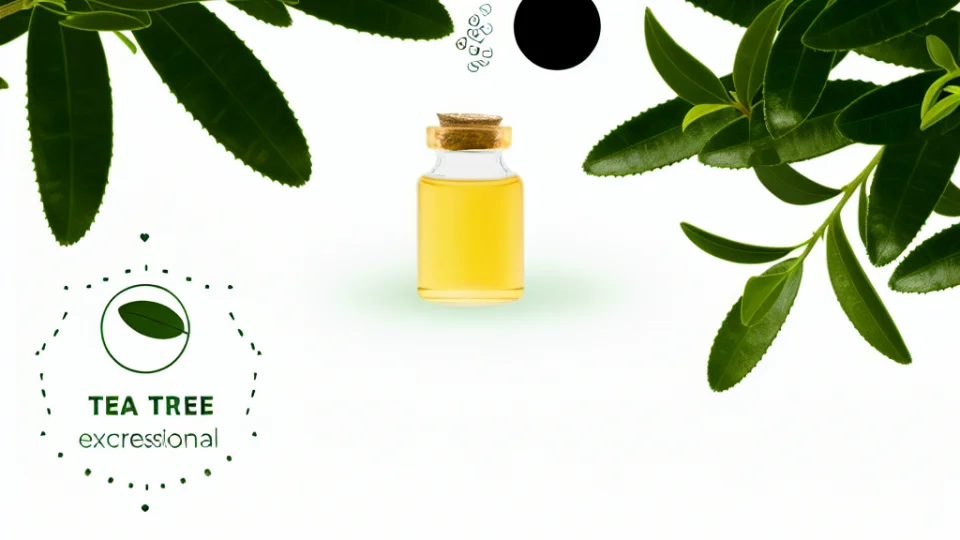
Tea tree oil is a natural oil extracted from the leaves of the Melaleuca alternifolia plant. This oil, originating from Australia, has been used for centuries by indigenous people to address various health issues. One of the most remarkable features of tea tree oil is its antiseptic and anti-inflammatory properties. Research has shown that this oil is effective in reducing skin inflammation and accelerating the healing process of wounds. Therefore, it is frequently preferred in skincare and treatment processes today.
The process of obtaining tea tree oil is a meticulous procedure. First, tea tree leaves are collected and processed using steam distillation. During this process, the plant's essential components are separated along with the steam, resulting in the extraction of oil in liquid form. As a natural and pure product, tea tree oil gains users' trust due to its preparation without chemical additives. The obtained oil is included in various products for use in both aromatherapy and skincare.
- Tea tree oil is effective in treating acne and pimples on the skin.
- The steam distillation method enhances the quality of tea tree oil.
- It is known as a natural antiseptic.
- It helps reduce inflammation on the skin.
In addition to its many benefits, it is also important to pay attention to the correct usage of tea tree oil. It is recommended to apply it diluted before using it on the skin. Especially for sensitive skin, direct application of this oil may lead to allergic reactions. Therefore, it is advisable to consult a dermatologist or a qualified healthcare professional before using tea tree oil. Furthermore, while this oil supports skin health, it also helps strengthen the overall immune system.
What Are the Main Benefits of Tea Tree Oil?

Tea tree oil is a powerful natural product known for its antibacterial and antiseptic properties. This oil offers an effective solution for many skin issues, particularly helping to reduce inflammation in the skin, such as acne. The components in tea tree oil help prevent the growth of bacteria on the skin, supporting the reduction of redness and irritation. Additionally, regular use of this oil can even out skin tone and reduce the appearance of imperfections on the skin.
Another significant benefit of tea tree oil is its function as a natural anti-inflammatory. Thanks to this property, it contributes to the rapid healing of inflammation that occurs on the skin. It is especially effective as an aid in combating skin conditions such as acne, eczema, and psoriasis. The anti-inflammatory properties of this oil help alleviate issues like redness and swelling on the skin while accelerating skin renewal.
Moreover, tea tree oil helps to maintain the oil balance in the skin. It is particularly beneficial for individuals with oily skin types. This oil absorbs excess oil on the skin, preventing clogged pores. Thus, it not only reduces the formation of acne on the skin but also contributes to a smoother and healthier appearance of the skin's surface. Regular use of tea tree oil positively affects skin health by balancing sebum production.
Finally, tea tree oil is also noted for its antifungal properties. This oil creates an effective defense mechanism against skin infections caused by fungi and is frequently used in the treatment of athlete's foot and other fungal infections. Tea tree oil stops the growth of fungi on the skin, reducing the risk of infection and protecting skin health. Therefore, tea tree oil becomes an indispensable component for those seeking natural remedies.
The Use of Tea Tree Oil for Redness and Inflammation
Tea tree oil is known for its natural antiseptic properties and offers an effective solution, especially for redness and inflammation on the skin. Inflammation on the skin is often caused by bacterial infections or allergic reactions. Thanks to the terpenoids and antibacterial compounds contained in tea tree oil, it can help treat such conditions. It is particularly common for treating acne, pimples, and other skin issues. Regular use of this oil may contribute to a reduction in skin redness and an improvement in the overall appearance of the skin.
One of the most effective methods for reducing inflammation on the skin with tea tree oil is direct application. Applying the oil directly to the inflamed area by dropping it onto a cotton ball can reduce the red and swollen appearance of the skin. However, due to the potent effect of tea tree oil, it should be used with caution on sensitive skin as it may cause irritation. Therefore, it is important to test the oil on a small area of the skin before use. Additionally, it is recommended to dilute tea tree oil with a carrier oil before applying.
- Effective in treating acne.
- Can reduce redness caused by allergic reactions.
- Prevents bacterial infections on the skin.
- Should be used cautiously on sensitive skin.
The anti-inflammatory effect of tea tree oil is not limited to direct application. It can also be found in skincare products. Using tea tree oil in products such as creams, lotions, or face masks can enhance its anti-inflammatory effects. Regular use of these products may help reduce redness on the skin and promote a healthier appearance. Furthermore, products containing tea tree oil can also be effective in controlling excess oil on the skin.
Effects of Tea Tree Oil on the Skin
Tea tree oil is a natural oil that stands out for its effects on the skin. Particularly, thanks to its antiseptic properties, it offers solutions to many skin issues. It is known to be effective in reducing problems such as redness and inflammation on the skin. The components contained in tea tree oil help kill bacteria on the skin, thereby reducing irritation. Maintaining the skin's natural balance is also one of the significant benefits provided by this oil.
Additionally, the anti-inflammatory properties of tea tree oil are quite effective in reducing inflammation on the skin. Due to these properties, it can have positive effects on acne, pimples, and other skin disorders. While helping to quickly reduce redness and swelling on the skin, it also contributes to balancing the skin tone. For this reason, it has become a commonly used ingredient in skincare products.
To better understand the effects of tea tree oil on the skin, it may be beneficial to look at clinical studies. These studies reveal the positive effects of tea tree oil against bacteria on the skin and its ability to reduce inflammation. With regular use, it has been shown to help the skin appear healthier and smoother. It offers an effective natural solution to maintain the oil balance on the skin and minimize acne formation.
In conclusion, the effects of tea tree oil on the skin are quite comprehensive. It can be used as a natural treatment method to support skin health. However, since every skin type is different, it is important to consult a dermatologist before using tea tree oil. To avoid any adverse reactions on the skin, it is recommended to test the oil. Overall, tea tree oil can be a valuable component that you consider adding to your skincare routine.
How to Create a Skincare Routine with Tea Tree Oil?
Tea tree oil is a natural component that should be part of your skincare routine. As the first step, it is important to gently cleanse your skin with a suitable cleanser. This helps to open up your pores and enhances the effectiveness of tea tree oil. After cleansing, adding a few drops of tea tree oil to your skin and mixing it with a carrier oil before applying it directly allows you to benefit from its properties without harming your skin. Using carrier oils such as jojoba oil or coconut oil, in particular, helps maintain your skin's moisture balance.
After applying tea tree oil in your skincare routine, it is also very important to moisturize your skin. At this stage, choosing a natural and lightweight moisturizer will help your skin retain its moisture. To enhance the effects of tea tree oil on your skin, make sure your moisturizer contains ingredients like aloe vera or hyaluronic acid. These ingredients will penetrate deeply into your skin, making the benefits of tea tree oil more effective.
Regular use in skincare allows you to make the most of the benefits of tea tree oil. Treating your skin with this oil at least once a day is particularly beneficial for acne-prone skin. During application, you can help the oil absorb better by gently massaging your skin. This method contributes to increasing blood circulation in the skin, helping you balance your skin tone and improve the overall appearance of your skin.
Finally, when using tea tree oil, you should consider the possibility of skin reactions. If you are using it for the first time, first test it on a small area to check for any allergic reactions. If you experience irritation or redness on your skin, you should avoid using this oil. By following all these steps, you can create an effective skincare routine with tea tree oil and support your skin health.
Side Effects and Precautions
While tea tree oil is known for its many benefits, it also has side effects and points to consider during use. Especially since it can cause allergic reactions on the skin, it is not recommended to use it extensively without a skin test. Using it on some sensitive areas of the skin, such as around the eyes, can lead to serious issues. Therefore, it is important to understand how your skin type interacts with this oil before using tea tree oil.
Additionally, the dosing of tea tree oil is quite important. Overuse can lead to unwanted effects such as dryness, irritation, or redness on the skin. Therefore, it is critical to not exceed the recommended dosage and to consult a specialist when necessary for skin health. Observations should be made during use, and if any negative changes are felt in the skin, it is necessary to stop using it.
- Should be used carefully on sensitive skin.
- Should not be used around the eyes.
- Risk of allergic reactions should be considered.
- Recommended dosage should be followed.
Tea tree oil should also be used with caution during pregnancy and breastfeeding. During this period, since the effects of many natural products are not fully known, it is recommended that pregnant or breastfeeding women consult a doctor before using this oil. Additionally, using tea tree oil on existing wounds or open sores can increase the risk of infection. Therefore, it is also very important to consider the current conditions of the skin.
What Are Alternative Natural Anti-Inflammatories?
Inflammation is a natural response of the body to infections or injuries. However, sometimes this response can become excessive and lead to chronic inflammation. At this point, natural anti-inflammatories come into play. Natural oils like tea tree oil have the potential to reduce inflammation, and in addition to these oils, herbal remedies are also available. For example, ginger and turmeric are plants known for their anti-inflammatory properties. Such plants can help reduce inflammation in the body and support overall health.
Ginger stands out particularly for containing anti-inflammatory compounds. Active compounds like gingerol and shogaol help reduce inflammation within the body. Additionally, ginger has benefits for digestive health. Consuming ginger tea or fresh ginger can be an effective method in combating inflammation. Alongside ginger, turmeric is also recognized for its anti-inflammatory properties. Curcumin, the main compound in turmeric, enhances the anti-inflammatory effects of this plant and protects the body.
Additionally, peppermint oil also possesses anti-inflammatory properties. Peppermint can alleviate discomfort by reducing inflammation with its cooling effect. When applied to inflamed areas of the skin, peppermint oil can reduce pain and discomfort. Furthermore, peppermint tea can be preferred as a beneficial drink for digestive issues and inflammation. Alongside these natural methods, incorporating foods rich in omega-3 fatty acids into your diet may also help reduce inflammation.
Finally, garlic is also known as a natural anti-inflammatory. Garlic contains a compound called allicin, which is effective in combating inflammation. Regular consumption of garlic can strengthen the immune system and reduce the impact of inflammatory conditions. Additionally, garlic can benefit heart health, thereby improving overall health. The use of these alternative natural anti-inflammatories can be considered a part of a healthy lifestyle.