What is Tea Tree Oil and How is it Obtained?
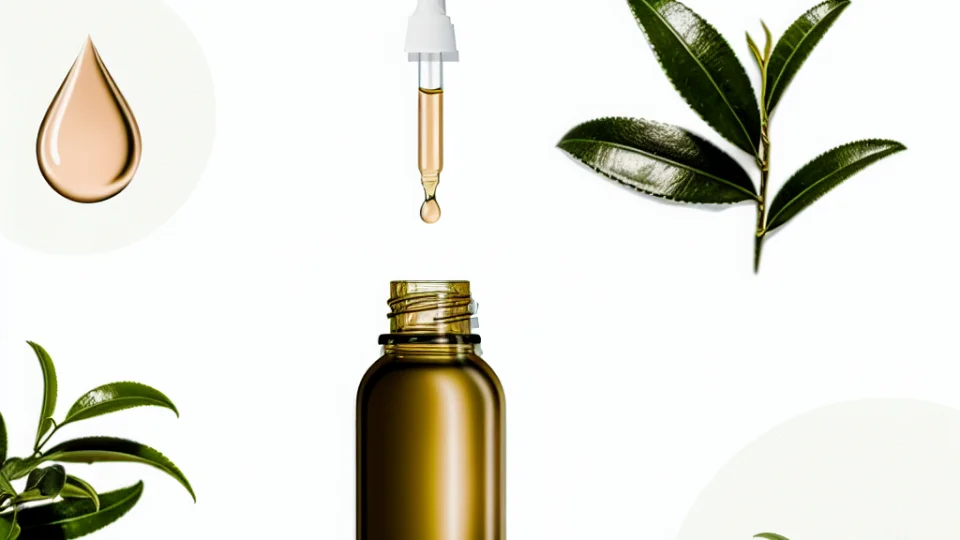
Tea tree oil is a natural essential oil derived from the leaves of the Melaleuca alternifolia plant. Originating from Australia, this oil is particularly known for its benefits to skin health. Thanks to its antibacterial, antifungal, and antiviral properties, tea tree oil is used as an effective solution for many skin issues. Additionally, this oil has a pleasant scent and is frequently preferred in aromatherapy applications.
The extraction of tea tree oil occurs through the distillation method. When the leaves are processed using steam distillation, the oil molecules are released. This process ensures that the natural components of the plant are preserved in the best possible way. During the distillation process, it is important to ensure that the leaves are healthy and fresh, as low-quality leaves can negatively affect the efficacy of the extracted oil. Therefore, when choosing tea tree oil, it is essential to opt for reliable and high-quality brands.
Among the benefits of tea tree oil, its support against skin problems such as acne, fungal infections, and insect bites stands out. Furthermore, the anti-inflammatory properties of this oil can help reduce irritation and redness on the skin. There are various methods for using tea tree oil on the skin. The most common method is to apply the oil directly or to use it mixed with carrier oils.
In conclusion, tea tree oil offers a natural solution for many skin issues. The extraction process is an important factor that affects the quality of the oil. Additionally, the benefits provided by this oil are quite comprehensive, along with its contributions to human health. Gaining more information about the use of tea tree oil will enable one to fully benefit from the potential of this natural product.
What Are the Antiseptic Properties of Tea Tree Oil?
Tea tree oil is an oil derived from the leaves of the Melaleuca alternifolia plant, and one of its most prominent features is its strong antiseptic property. Thanks to its antiseptic qualities, tea tree oil prevents the growth of various microorganisms, thus preventing wounds from becoming infected. This property is particularly beneficial in cases of minor wounds, cuts, and insect bites. Additionally, tea tree oil helps maintain skin health by reducing inflammation on the skin.
The antiseptic effect of tea tree oil has been proven by numerous studies. Research has shown that this oil is effective against pathogens such as bacteria and fungi. For instance, it is known for its efficacy against common bacteria like Staphylococcus aureus. Since these types of microorganisms can cause infections in wounds, the protection that tea tree oil provides against such bacteria is a significant advantage for skin health.
- Supports rapid healing of wounds.
- Reduces redness and swelling on the skin.
- Alleviates itching caused by insect bites.
- Prevents the formation of acne and pimples.
The antiseptic properties of tea tree oil have made it a popular natural remedy. This oil is commonly used in skincare products. Particularly in acne treatment, it helps control excess oil and bacteria on the skin, preventing the formation of acne. Moreover, some people also use tea tree oil as a natural disinfectant at home. Thus, the benefits of this oil are not limited to the skin; it is also important for overall hygiene and health.
How to Use Tea Tree Oil for Minor Wounds?
Tea tree oil is a natural oil known for its benefits to skin health. It stands out as an effective method for treating minor wounds. Thanks to its antiseptic properties, this oil significantly reduces the risk of infection in wounds. Before application, it is essential to clean the wounds. The wound area should be gently washed with soap and water and dried. Applying tea tree oil to a clean surface accelerates the skin's healing process.
When using tea tree oil, using its pure form provides the most effective results. However, if your skin is sensitive, mixing this oil with a carrier oil can be beneficial. Mixing with natural carrier oils such as olive oil or coconut oil helps prevent skin irritation. It is generally recommended to use 1 drop of tea tree oil to 1 teaspoon of carrier oil as a mixing ratio. Applying in this way supports healing without harming the wound or the skin.
- Clean and dry the wound.
- Apply tea tree oil or the mixture with a cotton ball.
- Repeat several times a day.
The effect of tea tree oil on wounds is manifested by its ability to accelerate the healing process and reduce the risk of infection. Regular use, especially for minor wounds, decreases inflammation in the skin and prevents the formation of scars. Additionally, being a natural antiseptic, this oil helps wounds close quickly. It also supports the renewal of healthy cells in the skin while the wound heals. Therefore, you can safely use tea tree oil for wound care.
Tea Tree Oil Application Methods for Insect Bites
Tea tree oil provides effective care for insect bites. The antiseptic and anti-inflammatory properties contained in this oil help alleviate the itching and discomfort caused by insect bites. It is important to clean the area before application. Gently wipe the bite area with a clean cloth or cotton. Then, you can use a dropper to apply the tea tree oil directly onto the bite. This method allows for better absorption of the oil by the skin and enhances its effectiveness.
Another method is to mix tea tree oil with a carrier oil. By using light oils such as olive oil or coconut oil, you can enhance the effects of tea tree oil and prevent skin irritation. The ratio of tea tree oil in the mixture should be around 10%. This way, you will experience less irritation when applying it to your skin. After preparing the mixture, gently massage it into the bite area.
- Clean the area.
- Apply tea tree oil directly.
- Use it mixed with a carrier oil.
- Gently massage to enhance absorption.
Another important consideration during application is the risk of allergic reactions when applying tea tree oil directly to the skin. If you are using it for the first time, it is recommended to test it on a small area first. If you do not experience any side effects, you can continue to use it on a larger area. Additionally, excessive use of tea tree oil can cause dryness or irritation on the skin, so it is advisable not to exceed the recommended amounts.
Tea Tree Oil Side Effects and Precautions
While tea tree oil is known for its many benefits, it also has side effects and points to consider during use. Especially for individuals with skin sensitivity, using tea tree oil can lead to some adverse reactions. It is always recommended to conduct a patch test before using this oil, as it may cause skin irritation or allergic reactions. This way, it will be possible to take precautions before any negative response occurs on the skin.
The dosing of tea tree oil is also an important factor. Excessive use can lead to dryness or irritation of the skin. Therefore, it is crucial not to exceed the recommended dosages and to dilute the oil with a carrier oil before applying it directly to the skin. Additionally, pregnant and breastfeeding women should definitely consult a healthcare professional before using this oil. This way, they can avoid negative effects on both their health and that of their babies.
Some individuals may develop allergic reactions to tea tree oil. Symptoms may include itching, redness, and swelling. If such symptoms occur, the use of the oil should be stopped immediately and a doctor should be consulted. Moreover, it is extremely important to avoid contact with the eyes. In case of eye contact, it can lead to serious discomfort and should be rinsed immediately with plenty of water.
Finally, the ingestion of tea tree oil is not recommended. This oil can cause serious health issues when taken orally. Side effects such as nausea, diarrhea, or abdominal pain may occur. Therefore, it is important to use tea tree oil only externally and to apply it using the correct methods. Considering all these points, it is clear that tea tree oil should be used with caution.
Comparison of Tea Tree Oil with Other Essential Oils
Tea tree oil is a herbal oil known for its antiseptic and anti-inflammatory properties. However, compared to other essential oils, it has its unique advantages and disadvantages. For instance, tea tree oil has a stronger antiseptic effect than oils like lavender oil, while lavender oil is noted for its calming and soothing properties. Therefore, while tea tree oil is preferred for treating wounds and insect bites, those seeking a relaxing effect on the skin may opt for lavender oil.
At the same time, peppermint oil is also commonly used for skin health alongside tea tree oil. While peppermint oil is known for its refreshing effect, tea tree oil is more effective in preventing infections. Although peppermint oil has a soothing effect on skin itching, tea tree oil provides a stronger defense against bacterial and viral infections. Therefore, the best oil choice for skin wounds may vary depending on the type of wound and the desired outcome.
Additionally, when comparing tea tree oil with jojoba oil, the effects of both oils on the skin differ. Jojoba oil is known for its moisturizing properties, while tea tree oil stands out for its anti-inflammatory effects. While jojoba oil helps alleviate dryness on the skin, tea tree oil is effective in treating inflamed areas. Therefore, it is important to consider your skin's needs when deciding which oil to use in your skincare routine.
Finally, there is a significant difference between tea tree oil and coconut oil as well. Coconut oil is known for its nourishing properties for the skin, while tea tree oil provides protection against infections. While tea tree oil is a more effective option for treating wounds and insect bites, coconut oil is preferred for smoothing and nourishing the skin. The different properties of both oils provide important insights into how they can be used in skincare.
Benefits of Tea Tree Oil for Hair and Skin Health
Tea tree oil stands out as a highly beneficial component for skin health. Thanks to its natural antiseptic properties, it helps prevent infections on the skin. Research has proven its effectiveness, especially in combating skin issues like acne. Tea tree oil can help regulate the skin's oil balance, controlling excessive oil production. This, in turn, prevents the clogging of pores, resulting in a healthier appearance.
In addition, the positive effects of tea tree oil on hair health are also noteworthy. Its ability to reduce dandruff formation and strengthen hair roots can assist you in achieving healthy hair. Tea tree oil can also contribute to preventing hair loss by reducing inflammation on the scalp. With regular use, it enhances blood circulation in the scalp, supporting stronger and shinier hair.
- Effective in acne treatment
- Prevents dandruff formation
- Soothes the scalp
- Reduces inflammation on the skin
Another significant benefit of tea tree oil is its ability to aid in the healing of wounds on the skin. When applied to wounds, this oil reduces the risk of infection and accelerates the healing process. Additionally, regular use of tea tree oil can diminish the appearance of blemishes and scars on the skin. By maintaining the skin's natural balance, it helps you achieve a healthier and more youthful appearance. Therefore, tea tree oil can be considered a reliable option for both skin and hair health.