What Are the Benefits of Tea Tree Oil for the Skin?
Tea tree oil has a significant impact on skin health due to its antiseptic and anti-inflammatory properties. It offers an effective treatment option, especially for skin problems like acne and pimples. By regulating the oil balance in the skin, it reduces excess oil production. Additionally, it helps achieve a smoother and healthier appearance by reducing inflammation and redness on the skin. Therefore, incorporating tea tree oil into a skincare routine can be a beneficial step for many people.
It also contributes to the rapid healing of wounds on the skin. The antibacterial properties of tea tree oil reduce the risk of infections in wounds. This allows for quicker healing of skin damage, especially for cuts, burns, and acne scars. Moreover, it promotes cell renewal in the skin. As a result, the skin gains a healthier appearance while signs of aging can also be diminished. Natural lotions made with tea tree oil are frequently preferred in skincare.
Tea tree oil balances excessive oil production on the skin, preventing clogged pores. This situation reduces the formation of blackheads and pimples. For individuals with oily skin types, using products containing tea tree oil is extremely beneficial. For those seeking a natural solution, tea tree oil is both an effective and reliable alternative. Controlling excess oil on the skin also helps enhance its brightness and healthy appearance.
In conclusion, the benefits of tea tree oil for the skin are quite diverse. It offers a natural and effective method for treating problematic areas of the skin. While reducing inflammation, it also supports cell renewal. Tea tree oil is an essential ingredient that should be included in skincare. Therefore, the use of products containing tea tree oil stands out as an effective way to improve and protect skin health.
How to Treat Acne with Tea Tree Oil?
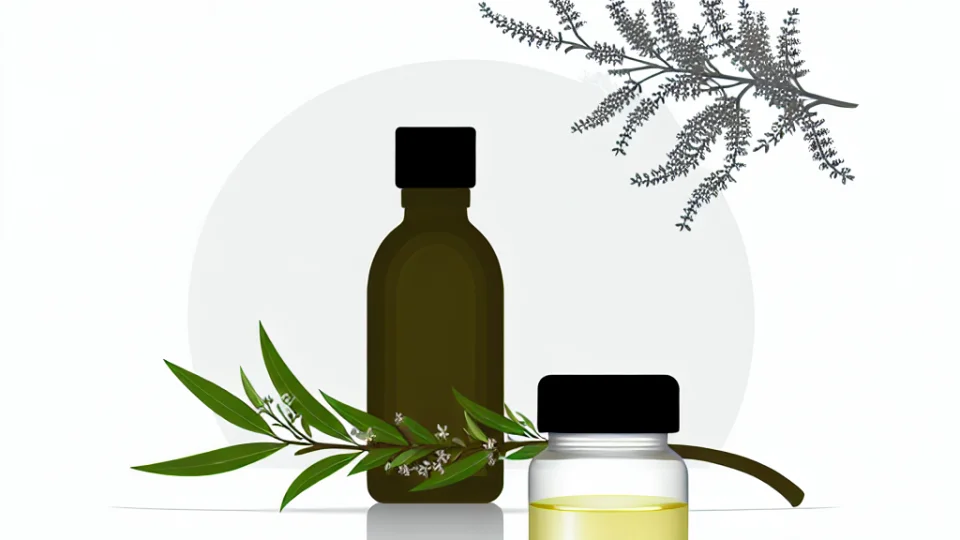
Tea tree oil is a powerful oil that possesses natural antibacterial and antifungal properties. Thanks to these characteristics, it stands out as a highly effective option for acne treatment. Acne is a skin problem that arises from the excessive production of oil glands and bacterial infections. Tea tree oil can prevent the formation of acne by killing the bacteria on the skin and reducing inflammation. Additionally, it minimizes factors that lead to acne by regulating the oil balance in the skin.
Using tea tree oil for acne treatment is quite simple. First, you can apply the oil directly to the affected area using a cotton swab. Repeating this method once or twice a day will enhance its effectiveness. You can also mix tea tree oil with a carrier oil (such as olive oil or coconut oil) for use. This will allow you to treat acne without harming your skin. It is recommended to leave the mixture on the skin for 15-20 minutes.
Additionally, natural face masks that you can prepare with tea tree oil can also aid in acne treatment. You can mix oatmeal with tea tree oil and apply it to your skin. This mask cleanses dead skin cells while also reducing inflammation. After leaving the mask on the skin for 10-15 minutes, it should be rinsed off with warm water. This application helps to smooth the skin and reduce the appearance of acne scars.
One of the most important points to consider when using tea tree oil is to use an appropriate amount based on your skin type. Each skin type can react differently, so it is recommended to first perform a patch test. If no allergic reaction occurs on your skin, you can continue to use tea tree oil regularly. It should be noted that tea tree oil is only one treatment method, and consulting a dermatologist is the best solution for serious acne problems.
Effective Mixtures Against Hair Loss with Tea Tree Oil
Tea tree oil is a natural ingredient that offers an effective solution against hair loss. This oil helps strengthen hair roots, making hair look healthier and more vibrant. Particularly, due to its antiseptic and anti-inflammatory properties, it reduces inflammation in the scalp and neutralizes factors that lead to hair loss. Regular use of tea tree oil contributes to nourishing the hair and significantly reduces the problem of hair loss.
To prepare an effective mixture against hair loss, you can combine tea tree oil with other natural oils. For example, when mixed with jojoba oil or olive oil, these oils help maintain the moisture balance of the scalp and strengthen the hair roots. When preparing the mixture, you can start by adding 10 drops of tea tree oil to 2 tablespoons of jojoba oil. Applying this mixture to your scalp with a massage increases blood circulation and enhances the oil's effectiveness.
Another effective mixture is the combination of tea tree oil and lavender oil. While lavender oil is known for its hair loss prevention properties, it creates a powerful synergy when combined with tea tree oil. This mixture soothes the scalp and provides protection against stress-related hair loss. You can prepare this mixture by adding 5 drops of tea tree oil and 5 drops of lavender oil to 2 tablespoons of olive oil, and applying it once a week can enhance your hair health.
Finally, the combination of tea tree oil and aloe vera gel also offers an effective solution against hair loss. Aloe vera has nourishing and moisturizing properties for the scalp. When mixed with tea tree oil, this natural mixture nourishes the hair roots and promotes healthier hair growth. You can prepare it by adding 5 drops of tea tree oil to 1 tablespoon of aloe vera gel. Applying this mixture several times a week can help reduce hair loss.
How to Make Your Own Tea Tree Oil Soap?
Making your own tea tree oil soap is not only a fun activity but also provides great benefits for your skin health. Tea tree oil is known for its antibacterial and antifungal properties, making it an excellent ingredient for soap making. When selecting the ingredients for your soap, opting for natural and organic products will be healthier for your skin. For example, oils like olive oil, coconut oil, and palm oil will enhance the moisturizing properties of your soap.
The tea tree oil you use in soap making should typically be used at a concentration of 5% to 10%. This ratio ensures that your soap is effective while preventing skin irritation. When formulating your soap, adding a few drops of tea tree oil increases the potential of your soap to reduce acne and blemishes on the skin. Additionally, melting your soap base with boiling water during the process ensures that the mixture is evenly distributed.
The ingredients you will use for soap making include water, sodium hydroxide, and oils. Sodium hydroxide is essential to initiate the saponification process. However, it is important to take special precautions when working with this substance, as it can be harmful upon contact with skin. Working in a safe environment while wearing goggles and gloves will help protect your health during this process.
Finally, your soap needs to be poured into a mold and left to cool and harden for a few hours. Once your soap has hardened, you can slice it to make it ready for use. The tea tree oil soap you create makes a wonderful gift option for both yourself and your loved ones. This way, you contribute to a healthy lifestyle by using natural care products.
How to Prepare a Natural Moisturizer with Tea Tree Oil?
When used as a natural moisturizer, tea tree oil becomes an effective ingredient to provide the moisture that the skin needs. The natural moisturizer you prepare using this oil prevents dryness in the skin and helps it look healthier. The antibacterial properties of tea tree oil reduce inflammation on the skin, providing a cleaner and smoother surface. Therefore, preparing a natural moisturizer with tea tree oil can be an indispensable part of your skincare routine.
To prepare a natural moisturizer, it is important to first gather the necessary ingredients. The main components you will need include 2 teaspoons of tea tree oil, 50 ml of olive oil or coconut oil, and a few drops of essential oil. Olive oil or coconut oil provides deep hydration to the skin, while tea tree oil supports skin health with its anti-inflammatory properties. Additionally, essential oils like lavender oil or orange oil offer a pleasant scent and added benefits.
After gathering the ingredients, you should mix them well in a bowl. It is important for the mixture to become homogeneous so that all components can effectively penetrate the skin. Once you have prepared the mixture, clean and dry your skin, and then apply the moisturizer to your skin in circular motions. This application helps the skin absorb more moisture and allows you to take full advantage of the benefits of tea tree oil. It is recommended to use this mixture twice a day, both in the morning and at night.
The natural moisturizer you prepare with tea tree oil not only provides the moisture your skin needs but also helps maintain the oil balance in the skin. Especially for oily and acne-prone skin, regular use of this mixture balances sebum production in the skin. Additionally, allowing the moisturizer to sit on the skin for a while after application ensures better absorption of the oil by the skin. With this natural moisturizer, you can achieve a healthier, smoother, and more radiant appearance for your skin.
Information About the Antiseptic Properties of Tea Tree Oil
Tea tree oil is an effective natural product known for its antiseptic properties. This oil is particularly used to combat bacteria and infections on the skin. The components found in tea tree oil help strengthen the skin's natural defense mechanisms while aiding in the rapid healing of wounds and irritations. Research has shown that this oil has the ability to inhibit the growth of bacteria and fungi. Therefore, it is quite common for tea tree oil to be included in various personal care products.
Thanks to its antiseptic properties, tea tree oil contributes to the prevention of skin infections. It offers an effective solution, especially in combating skin issues such as acne and pimples. When applied to infected areas, it accelerates the skin's healing process and reduces inflammation. Additionally, the natural composition of tea tree oil helps prevent skin irritation while also aiding in maintaining moisture balance. These qualities make it an ideal option, especially for sensitive skin.
The antiseptic properties of tea tree oil are not limited to the skin. This oil is also used in hair care, preventing infections on the scalp. It helps to eliminate issues such as dandruff and fungi that occur on the scalp. Moreover, it strengthens hair roots, reducing hair loss. When used in hair care products, it enhances the health of the hair while nourishing the scalp. Therefore, tea tree oil has become an indispensable component for both skin and hair health.
Tea tree oil, along with its antiseptic properties, is a natural disinfectant. It is particularly recommended for use in homemade natural cleaning products. Thanks to its antibacterial properties, it helps eliminate germs on surfaces while also providing a pleasant scent. This feature of tea tree oil is ideal for creating a healthy environment in home cleaning without the use of chemicals. It encourages users to adopt a natural and healthy lifestyle by observing the effects of this oil.
Things to Consider When Using Tea Tree Oil
Although tea tree oil offers many benefits for skin and hair health, there are some points to consider when using it. First of all, it should be remembered that tea tree oil should not be applied directly to the skin. This oil is a potent essential oil and can cause irritation on the skin. Users are advised to dilute the oil with a carrier oil before application. This dilution process is extremely important, especially for sensitive skin, to prevent allergic reactions.
Those who want to observe the effects of tea tree oil on the skin are advised to first conduct a patch test. This test is performed to determine whether the oil is suitable for the skin type. The oil applied to a small area should be left for 24 hours to check for any irritation or allergic reaction. If redness, itching, or a burning sensation occurs during this time, the use of the oil should be stopped immediately.
Another important point to consider when using tea tree oil is the frequency of use. Excessive use of this oil can lead to dryness and irritation of the skin. Generally, it is recommended to use it diluted a few times a week. Additionally, it should be noted that tea tree oil can increase sensitivity to sunlight. Therefore, it is advised not to use it on sunny days or to use it in conjunction with sunscreen products.
Finally, before using tea tree oil, it is essential to consult a doctor if you are pregnant or breastfeeding. Some natural products can cause unwanted effects during pregnancy. Furthermore, tea tree oil may interact with certain medications. Therefore, providing information about your current health status and medications will help determine the healthiest way to use it.