What Are the Benefits of Tea Tree Oil for the Skin?

Tea tree oil is a natural compound known for its antiseptic and anti-inflammatory properties. When used in skincare, it has been proven effective against acne, pimples, and other skin issues. Especially for individuals with oily and problematic skin types, tea tree oil helps control excess oil on the skin's surface. As a result, it prevents the clogging of pores, providing a healthier and smoother appearance.
Another significant benefit of tea tree oil is its ability to reduce inflammation in the skin. Skin issues like pimples and acne can lead to inflammation. Tea tree oil helps the skin heal faster by reducing this inflammation. Additionally, it alleviates symptoms such as redness and swelling. With regular use, the appearance of the skin improves significantly due to these properties.
Tea tree oil is also notable for its ability to kill microbes on the skin. Bacteria present on the skin's surface are one of the main causes of acne and other infections. By fighting against these bacteria, tea tree oil reduces the risk of infections on the skin. Furthermore, it effectively works on wounds and cuts, lowering the likelihood of infection. Thus, it provides significant support for maintaining skin health.
Finally, another advantage of tea tree oil in skincare is its natural moisturizing properties. When the skin is not adequately moisturized, it can dry out, leading to various skin problems. Tea tree oil helps maintain the moisture balance in the skin, contributing to a healthier appearance. It can be used regularly, especially by those experiencing dry skin during the winter months. With the use of this oil, the skin can regain its natural glow.
How to Use Tea Tree Oil?
Tea tree oil stands out as a highly beneficial component in skincare. There are various methods that can be used to treat skin issues. Firstly, it is important to mix tea tree oil with a carrier oil suitable for your skin type before applying it directly to your skin. For example, diluting it with oils like almond oil or jojoba oil prevents skin irritation. With this mixture, you can reduce the formation of acne and pimples on your skin.
Another way to use tea tree oil is to make a face mask. When preparing a face mask, you can mix a few drops of tea tree oil with honey or yogurt. These natural ingredients help maintain the skin's moisture balance while allowing you to benefit from the antiseptic properties of tea tree oil. This mask, applied once a week, will refresh your skin and deeply cleanse your pores.
- Apply directly to the blemish for acne treatment.
- Create mixtures as a face mask.
- Add a few drops to your bath water.
- Apply to the scalp to reduce dandruff issues.
Additionally, adding tea tree oil to your bath water contributes to your skin's health. Using a few drops of tea tree oil in your bath water nourishes and soothes your skin while reducing irritations. This application helps your skin achieve a smoother appearance by penetrating deeply. Tea tree oil is also a beneficial ingredient for hair health. When applied to the scalp, it can reduce dandruff issues and strengthen hair roots.
Tea Tree Oil Application Methods According to Skin Type

Tea tree oil requires different application methods depending on skin types in skincare. For instance, tea tree oil helps balance sebum production for oily skin, while it stands out for its moisturizing properties for dry skin. Since oily skin often experiences more acne and blackhead issues, it is recommended to apply tea tree oil directly to the problematic areas. This way, excess oil on the skin can be controlled and inflammation can be reduced.
For dry skin, tea tree oil needs to be used more cautiously. Such skin types may encounter issues like excessive dryness and irritation. Therefore, using tea tree oil with a few drops of carrier oil helps maintain the skin's moisture balance. For example, when mixed with moisturizing oils like jojoba oil or almond oil, the effects of tea tree oil become less aggressive and reduce sensitivity on the skin.
For individuals with normal skin type, tea tree oil can be applied as a face mask once or twice a week. This application helps keep the skin looking healthy while deeply cleansing the pores. Natural ingredients like honey or yogurt are often used in masks prepared with tea tree oil. Such mixtures contribute to nourishing the skin and achieving a smooth appearance.
The use of tea tree oil for sensitive skin should be approached with great caution. This skin type is more sensitive to external factors, and the concentrated nature of tea tree oil can be irritating. Therefore, a patch test should always be conducted before application. It is recommended to dilute tea tree oil and apply it in smaller amounts for sensitive skin. Additionally, it is important to monitor the skin's reactions while using products containing tea tree oil.
How Effective is Tea Tree Oil on Acne on the Skin?
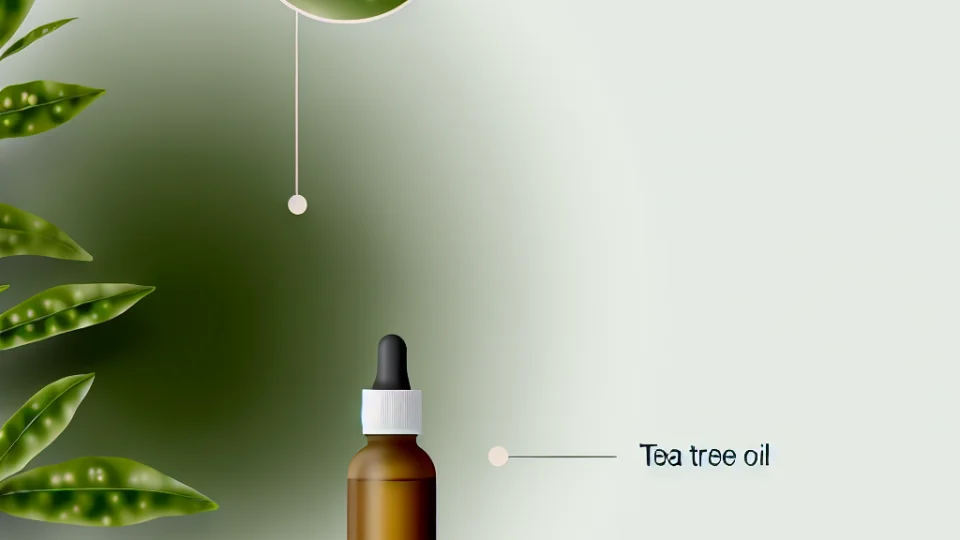
Tea tree oil is known as an effective natural remedy for acne on the skin. The anti-inflammatory and antibacterial properties in this oil can help reduce the inflammation caused by acne. Research has shown that tea tree oil effectively kills the bacteria that cause acne formation. Therefore, it is preferred as an alternative method for acne treatment.
Tea tree oil also helps regulate the oil balance in the skin. Excess oiliness is a factor that triggers the formation of acne. By balancing the function of the sebaceous glands in the skin, tea tree oil can reduce excess sebum production. This creates a preventive effect against acne formation. Additionally, the use of this oil also ensures that the pores in the skin are opened and cleaned.
Applying tea tree oil also contributes to the healing of existing acne on the skin. The natural components in this oil promote faster healing of acne while reducing redness and irritation in the skin. Users can reduce the appearance of acne and even out their skin tone by regularly applying tea tree oil. Furthermore, the use of this oil may also help fade scars on the skin over time.
However, the effects of tea tree oil can vary from person to person. Some individuals may experience allergic reactions to this oil. Therefore, it is recommended to test tea tree oil on a small area of the skin before use. Additionally, dosage and frequency of application are important for achieving effective results. Using this oil once or twice a day can help reduce acne and improve skin health.
What Are the Antiseptic Properties of Tea Tree Oil?

Tea tree oil is a natural compound known for its antiseptic properties. This oil helps to eliminate infections and microbes on the skin. The terpenoid components in it prevent the proliferation of bacteria and viruses. Therefore, tea tree oil has gained significant importance in skincare. Thanks to its antiseptic effect, it offers an effective solution for treating skin issues such as cuts, wounds, and acne. With its use, it helps to reduce inflammation in the skin and accelerates the healing process.
The antiseptic properties of tea tree oil allow it to be used as a natural antibacterial and antifungal agent. Research has shown that this oil is particularly effective against the bacteria that cause acne. Tea tree oil reduces the formation of acne and inflammation on the skin by preventing the growth of harmful microorganisms. Additionally, it also exhibits a protective effect against fungal infections. For this reason, tea tree oil has become a frequently preferred natural solution for maintaining skin health.
Moreover, the antiseptic properties of tea tree oil have made it popular for making natural cleaning products at home. Tea tree oil can be used to kill germs on surfaces. This feature offers a safe and effective alternative for home cleaning. Especially for families with children, tea tree oil stands out as an ideal solution in the search for a chemical-free cleaning product. In this way, natural protection can be provided both at home and in skincare.
In conclusion, the antiseptic properties of tea tree oil transform it into an indispensable product for skincare and home cleaning. It has many benefits, such as reducing inflammation on the skin, minimizing the risk of infection, and providing natural cleaning. One important point to consider in its use is that tea tree oil should be diluted according to the sensitivity level of the skin. This way, maximum benefit can be achieved while preventing potential skin irritations.
Natural Blends with Tea Tree Oil

Tea tree oil stands out as an effective natural ingredient, especially in skincare. This oil is quite beneficial in combating acne, pimples, and other skin issues. However, mixing tea tree oil with other natural ingredients before use can enhance its effectiveness. For example, combining tea tree oil with aloe vera gel provides a soothing effect on the skin and reduces inflammation. This blend holds significant importance in skincare due to its moisturizing and antiseptic properties.
Another effective blend is the combination of tea tree oil and coconut oil. This mixture helps deeply moisturize the skin while also carrying the antiseptic properties of tea tree oil. Coconut oil strengthens the skin's protective barrier, while tea tree oil reduces the risk of infections on the skin. The combination of these two ingredients also helps alleviate issues like dryness and itching.
- Blend of tea tree oil and aloe vera gel
- Blend of tea tree oil and coconut oil
- Blend of tea tree oil and olive oil
- Blend of tea tree oil and lavender oil
Another natural blend that can be made with tea tree oil is the mixture with olive oil. Olive oil helps maintain the moisture balance in the skin, while tea tree oil cleanses the bacteria on the skin. This mixture aids in reducing blemishes and evening out skin tone. Additionally, the blend made with lavender oil is also frequently preferred in skincare. Lavender oil reduces irritation on the skin, while tea tree oil prevents the formation of acne. Such natural blends offer effective solutions to support skin health.
Things to Consider When Using Tea Tree Oil
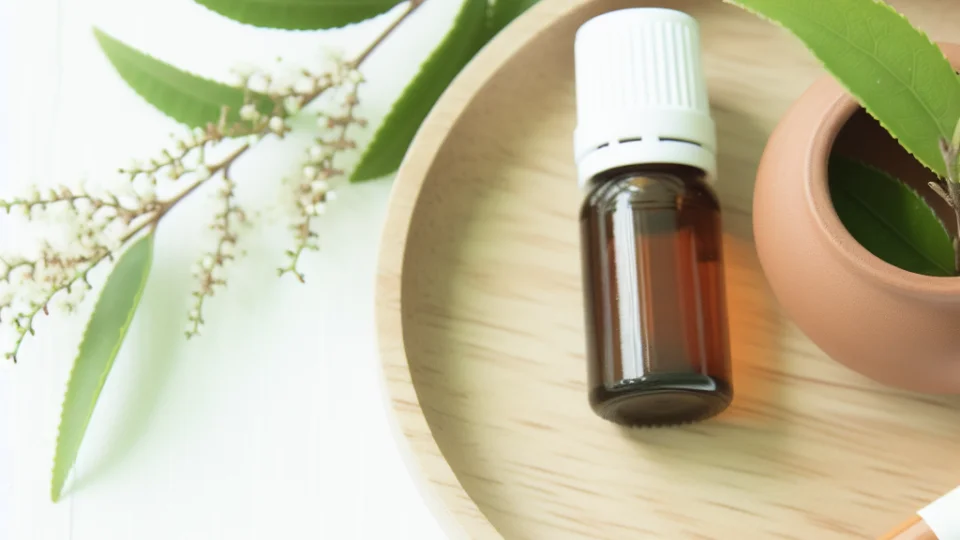
Tea tree oil stands out as a highly beneficial component in skincare. However, there are some important points to consider during its use. Firstly, it is essential to dilute tea tree oil before applying it directly to the skin. This is a critical step in preventing adverse reactions on the skin. Generally, tea tree oil can be diluted with carrier oils such as sweet almond oil or jojoba oil. This way, a skin-friendly application is ensured, and the oil's effectiveness is enhanced.
Another important aspect when using tea tree oil is ensuring its suitability for your skin type. Every skin type is different, and therefore, the effects of the oil may vary according to the skin type. For example, better results may be obtained on oily skin, while irritating effects may be encountered on dry skin. Thus, choosing an application method compatible with your skin type is crucial for protecting your skin health and fully benefiting from the advantages of tea tree oil.
- Do not neglect to perform a skin test before using tea tree oil.
- Never apply the oil around the eye area.
- Store it in places out of reach of children.
- If you are pregnant or breastfeeding, consult a doctor before use.
Additionally, exposure of tea tree oil to sunlight can cause skin discoloration. Therefore, it is important to avoid direct sunlight after applying tea tree oil. Performing applications in the evening can reduce this risk. Furthermore, since prolonged use of tea tree oil may lead to dryness or irritation in some individuals, it would be beneficial to monitor its use at regular intervals and take breaks if necessary. Keeping these points in mind will help you maintain effective and safe skincare.