What Are the Benefits of Tea Tree Oil?
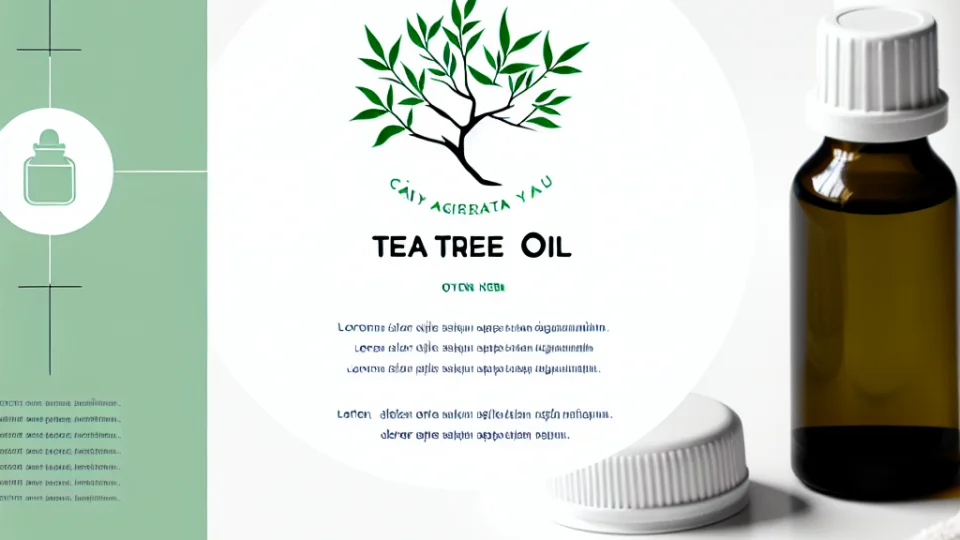
Tea tree oil is known for its anti-inflammatory and antiseptic properties. Thanks to these characteristics, it helps reduce inflammation on the skin. It provides an effective solution, especially in alleviating itching and swelling caused by insect bites. The components of tea tree oil create a protective layer on the skin, helping it become more resistant to external factors. Additionally, it reduces the risk of infection by preventing the growth of microbes and bacteria on the skin.
The benefits of tea tree oil for the skin are not limited to itching and inflammation. This oil is also effective in evening out skin tone and reducing skin issues such as acne. By combating the bacteria that cause acne, it prevents the clogging of pores and rejuvenates the skin tissue. Furthermore, the active components in the oil help maintain the skin's oil balance, which prevents excessive oiliness. Therefore, regular use of the oil can lead to a healthier skin appearance.
Tea tree oil is also a beneficial component for hair health. It helps reduce itching and flaking on the scalp. At the same time, it contributes to preventing hair loss by strengthening hair follicles. By inhibiting the growth of fungi and bacteria on the scalp, it supports healthy hair growth. Tea tree oil can also be used to make hair look shinier and more vibrant. By using this oil in hair care, you can protect both your skin and hair health.
Lastly, tea tree oil stands out as a natural component that supports the immune system. It helps eliminate toxins in the body while improving overall health. Regular use of this oil aids the body in becoming more resistant to infections. The benefits of tea tree oil highlight it as a natural treatment method. Overall, tea tree oil offers a versatile solution for both skin and hair health.
What Are the Effects of Insect Bites?

Tea tree oil is known for its natural antiseptic and anti-inflammatory properties. Thanks to these qualities, it is quite effective in alleviating itching and redness that occur after insect bites. Insect bites typically manifest on the skin with allergic reactions and inflammation. Tea tree oil offers a natural solution that helps soothe the skin in the treatment of such discomforts. Its effectiveness against mosquito, insect, and bee stings makes it an indispensable product during the summer months.
It is possible to apply tea tree oil directly to the skin to relieve itching caused by insect bites. This application creates a protective layer on the skin, reducing the release of histamine that triggers itching. For this purpose, mixing a few drops of tea tree oil with a carrier oil (such as almond oil or olive oil) helps prevent skin irritation. Additionally, this mixture reduces inflammation in the skin, providing a quick recovery.
The effect of tea tree oil on insect bites not only alleviates itching but also reduces the risk of infection. Insect bites can create open wounds on the skin, which may lead to infections. The antibacterial properties of tea tree oil help prevent such infections. Thus, it protects skin health and prevents more serious health issues.
In conclusion, tea tree oil is an effective natural remedy for reducing itching and discomfort on the skin after insect bites. When used correctly, this oil accelerates the skin's healing process and minimizes the risk of infection. Although it is a natural solution, if any allergic reaction or irritation occurs on the skin, its use should be stopped immediately. Therefore, it may be beneficial to perform an allergy test before using tea tree oil.
How to Use to Relieve Itching?
Tea tree oil is known as a natural antiseptic and is effective in alleviating itching caused by insect bites due to this property. To reduce the sensation of itching, applying tea tree oil directly to the affected area is quite effective. However, it is important to test the oil on a small area of your skin before use. If you do not encounter any allergic reactions, you can use this oil with confidence.
Another way to use tea tree oil is to apply it by diluting it with a carrier oil. For example, when mixed with carrier oils like olive oil or coconut oil, the effects of tea tree oil can be enhanced. This mixture provides both nourishing and soothing effects to your skin. Additionally, this method reduces the risk of skin irritation.
When using tea tree oil to relieve itching from insect bites, the frequency of application is also important. Applying this oil several times a day, especially during the times when itching is most intense, can significantly reduce symptoms. During application, gently massaging the oil into your skin increases blood flow and accelerates the healing process.
Finally, for tea tree oil to be used effectively, it must be stored in a suitable environment. This oil lasts longer when kept away from direct sunlight and in a cool place. Additionally, before using tea tree oil, it is important to carefully read the instructions on the label and consider the necessary information. This way, you will support both your health and skincare.
What is the Importance of Tea Tree Oil in Skin Care?
Tea tree oil is known for its powerful components that act as a natural antiseptic. Due to these properties, it plays a significant role in skin care. It is particularly effective in treating acne, pimples, and other skin issues. Tea tree oil helps regulate the skin's oil balance, preventing clogged pores. Additionally, its anti-inflammatory effect helps reduce redness and irritation on the skin. For this reason, it is frequently included in skin care products.
The applications of tea tree oil in skin care are quite extensive. For instance, regular use of this oil can lead to a gradual reduction of acne scars over time. It also helps maintain the skin's moisture balance, contributing to a healthier appearance. The natural composition of tea tree oil provides effective treatment by targeting infections beneath the skin without causing harm. It is especially ideal for those with oily skin types.
- Effective in treating acne and pimples.
- Reduces inflammation on the skin.
- Regulates oil balance.
- Alleviates redness on the skin.
Tea tree oil not only treats skin problems but also protects skin health. By strengthening the skin's natural defense mechanisms, it becomes more resilient against external factors. Furthermore, thanks to the antibacterial properties of tea tree oil, it prevents the proliferation of harmful bacteria on the skin, supporting a healthy skin appearance. This effect contributes to a smoother and more vibrant look.
Does Tea Tree Oil Have Side Effects?
Although tea tree oil has natural antibacterial and antifungal properties, it can cause side effects for some users. In particular, there are situations where it can lead to skin irritation. Individuals with sensitive skin should always perform a patch test before applying tea tree oil directly. This test is crucial to determine if there is an allergic reaction on the skin. Otherwise, it is possible to encounter negative effects such as itching or redness.
In addition, attention should be paid to the dosing of tea tree oil. Overuse can lead to dryness and cracking of the skin. This situation becomes more pronounced, especially in sensitive skin. During use, mixing the oil with a carrier oil (such as olive oil or coconut oil) can help reduce potential side effects. This way, the oil's effect becomes milder and more skin-friendly.
It is also known that tea tree oil can cause nausea or dizziness in some individuals. Such side effects are typically observed when taken orally. Individuals considering using the oil orally should definitely consult a healthcare professional. Otherwise, these types of side effects can negatively impact health and lead to unexpected results.
Finally, it is strongly discouraged for individuals who are allergic to tea tree oil. Allergic reactions can manifest as symptoms such as redness, swelling, and itching of the skin. Therefore, it is important for individuals, especially those with a history of allergic reactions, to be cautious before using tea tree oil. If any adverse situation arises, it is recommended to consult a healthcare professional immediately.
Natural Alternatives: What Else Besides Tea Tree Oil?
Tea tree oil is an effective natural remedy for alleviating insect bites and itching. However, there are many other natural alternatives that can be used for such discomforts besides tea tree oil. For example, lavender oil is known for its calming effects and anti-inflammatory properties. Lavender oil can be applied directly to the skin to relieve itching caused by insect bites. Additionally, peppermint oil is quite effective in reducing itching due to its cooling effect.
Aloe vera also stands out as a natural alternative. The gel from this plant reduces inflammation on the skin and alleviates itching. The soothing effect of aloe vera on the skin helps to relieve discomfort, especially after sunburn and insect bites. Moreover, the moisturizing property of aloe vera accelerates the skin's healing process.
In addition to these, apple cider vinegar can also be used as a natural itch reliever. Thanks to its antiseptic properties, apple cider vinegar reduces the risk of infection on the skin and alleviates itching. A mixture of vinegar and water can instantly reduce itching when applied to the affected area. This method is a natural alternative that can be easily prepared at home.
- Lavender Oil
- Peppermint Oil
- Aloe Vera
- Apple Cider Vinegar
Finally, like tea tree oil, other natural oils can also contribute to skin health. For instance, jojoba oil can help maintain the skin's oil balance while also reducing itching. Additionally, jojoba oil can be used as an effective moisturizer to alleviate dryness on the skin. When searching for natural alternatives, it is important to choose oils that are suitable for skin type and personal preferences.
Things to Consider When Using Tea Tree Oil
While tea tree oil is often preferred as a natural remedy, it is important to be careful about its proper use. Especially if it will be used directly on the skin, it is always recommended to perform a dilution. Pure tea tree oil can cause irritation on the skin due to its potent properties. Therefore, diluting it with a carrier oil that contains 5% tea tree oil (such as olive oil or coconut oil) is an important step to prevent adverse effects on the skin.
When using tea tree oil, selecting appropriate areas is also very important. It is not recommended to use it on sensitive areas (such as around the eyes or mouth). The risk of irritation or allergic reactions is high in these areas. Therefore, performing a patch test before using tea tree oil will be beneficial in preventing possible allergic reactions on the skin.
Another important consideration when using tea tree oil is the frequency of use. It is not recommended to use it daily, as excessive use can lead to dryness or irritation of the skin. Generally, using it 2-3 times a week is a more suitable method for skin health. This way, the benefits of the oil can be enjoyed while maintaining skin balance.
Finally, it is important to consult your doctor before using tea tree oil. Especially in special situations such as pregnancy, breastfeeding, or skin problems, seeking expert advice is a critical step to prevent potential side effects. This way, you can make the most of the benefits provided by tea tree oil while also protecting your skin health.