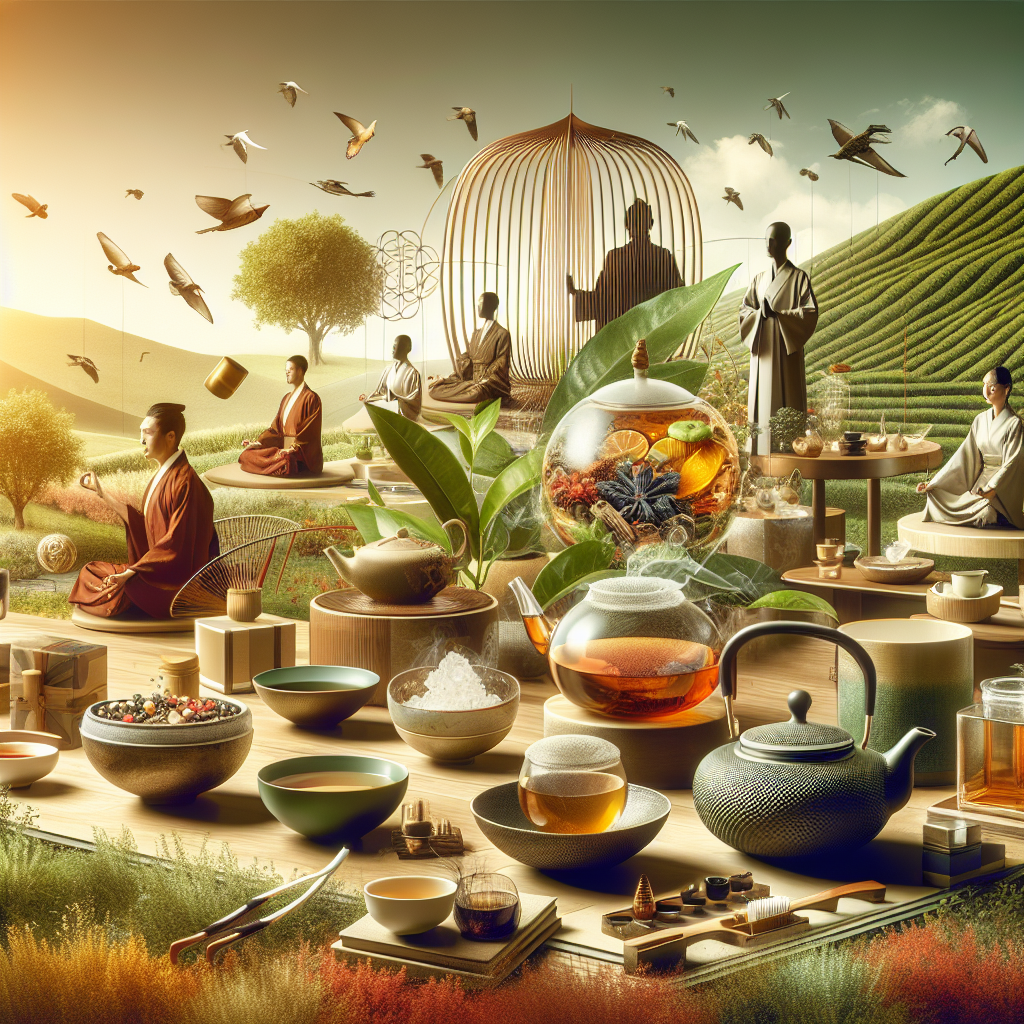
Tea has been an important element that brings cultures together for centuries, transcending being just a beverage. The rich tea tradition of the Far East has gained a new dimension by merging with innovative practices in modern times. In this article, we will explore a wide range of topics, from modern tea ceremonies to transformations in health, from meditation practices to innovative tea products, and from sustainability approaches to its place in contemporary art and culture.
Modern Tea Ceremonies: The Meeting of Tradition and Innovation
Tea ceremonies have evolved beyond traditional rituals to adapt to the dynamics of modern life. These practices, which have deep-rooted histories like the traditional Japanese tea ceremony or Chinese tea culture, are now enriched with various innovations. Modern tea ceremonies encompass not only the preparation of tea but also social interactions, aesthetic experiences, and innovative presentations.
Some distinct features of modern tea ceremonies are:
- Innovative Presentations:In addition to traditional presentations, modern tea ceremonies place great importance on visual aesthetics. The special tea sets and decorative elements used in the presentation of teas make this experience more appealing.
- Various Tea Options:Today, it has become common to present different types of tea together. In addition to varieties like black, green, and oolong, experiences enriched with aromatic and herbal teas are being offered.
- Participant Engagement:Modern ceremonies encourage participants to take an active role. Being involved in the tea preparation process gives participants the opportunity to get to know this traditional practice more closely.
These innovations are transforming tea from just a beverage into a social experience. People are finding the opportunity to experience traditional culture through modern tea ceremonies while discovering new flavors and experiences. Especially the younger generation is showing more interest in tea culture and embracing tea as a social activity thanks to these kinds of innovations.
In this context, modern tea ceremonies have become an important part of not only traditional rituals but also personal experiences and social interactions.
Tea and Health: Transition from Tradition to Modern Medicine
Tea has played an important role in the search for health and healing in Eastern cultures for thousands of years. As an indispensable part of traditional medicine, tea today offers an innovative approach by combining with modern health practices. Scientific studies have proven that theantioxidants,vitamins, andmineralscontained in tea create positive effects on both physical and mental health.
In traditional Eastern medicine, tea is used for a wide range of issues, from digestive problems to stress relief, while in modern medicine, these applications have gained a broader perspective. Now, tea is recognized for its health benefits such as boosting metabolism, supporting heart health, and enhancing mental performance.
- Tea-based supplements: The modern health industry offers various supplement forms that concentrate the benefits of tea.
- Tea therapy: Therapy sessions conducted with tea for mental health help individuals cope with stress.
- Aromatherapy with Tea: The aromatic properties of tea are used in meditation and relaxation sessions.
Among the modern uses of tea arenutrition programs,detox regimens, andpersonal care products. For example, green tea extracts are frequently used in skincare products to help rejuvenate the skin. Additionally, with the increasing awareness of health, the demand for organic and natural tea options is also steadily rising.
As a result, the transition of tea from traditional health practices to a part of modern medicine makes its contributions to health even more significant. The rich tea culture of the Far East has become a global health trend with the increasing awareness of health today. Therefore, the inclusion of tea in both traditional and modern health systems will contribute to individuals leading a healthy life.
Meditation with Tea: A Quest for Mental and Spiritual Peace
Tea, beyond being just a beverage, plays an important role in the pursuit of spiritual tranquility and inner peace. In Eastern cultures, the combination of tea and meditation has become a common method for supporting mental health and achieving spiritual balance. In this article, we will explore the effects of tea on meditation and how these two practices can be brought together.
Today, stressful living conditions and fast-paced lifestyles lead many people to seek inner peace. While meditation stands out as an effective way to relax the mind and achieve spiritual balance, the calming properties of tea further deepen this process. Thanks to theantioxidantsand natural components it contains, tea helps reduce mental fatigue and enhance focus.
The Combination of Tea and Meditation
Incorporating tea into meditation practice enriches the spiritual experience. During meditation, experiencing the aroma and warmth of tea not only provides mental focus but also enhances the enjoyment of meditation. In this context, the following types of tea are particularly suitable for meditation:
- Green Tea:Known for its mind-clearing and relaxing effects.
- White Tea:It may be preferred during meditation due to its delicate aroma and calming effect.
- Oolong Tea: Helps to achieve emotional balance.
Preparing the Meditation Environment
When meditating with tea, preparing the environment is important. Choosing a calm area, ensuring an appropriate temperature, and being careful during the tea preparation enhances the meditation experience. Here are some tips:
- Choose a comfortable sitting position.
- Steep the tea and enjoy its aroma.
- Close your eyes and take a deep breath to enjoy the taste of tea.
The combination of tea and meditation not only provides mental peace but also supports spiritual health.This practice is an effective method for coping with stress and achieving emotional balance.Drawing inspiration from traditional practices in the Far East, you can enjoy tea with meditation and add a new dimension to your spiritual journey.
Innovative Tea Products: Different Flavors and Experiences
Tea has been a meeting point of cultures for centuries, and beyond being a traditional beverage, it holds the potential to offer new flavors and experiences in the modern world. In Eastern cultures, the role of tea goes beyond just being a drink; it is also at the center of social interactions and innovative practices. Today, tea producers and entrepreneurs are reinterpreting traditional tea varieties to offer creative and innovative tea products.
Especially in the Far East, this innovative change in the tea industry creates a wide range of different flavors and experiences. Here are some examples of these innovations:
- Tea Cocktails:Traditional teas are combined with modern mixology techniques to present different flavors and presentations. For example, a mojito made with green tea or a martini made with oolong tea offers tea lovers a unique experience.
- Flavored Teas:Teas enriched with natural fruits and herbs stand out in terms of both taste and health benefits. Options like lemon white tea or ginger black tea appeal to the palate while also offering health-supporting properties.
- Cold Brew Teas:Cold brew teas, which have become popular today, offer a refreshing alternative, especially during the summer months. Cold teas enriched with various fruits and spices are a perfect choice for those looking for a sweet and refreshing drink.
In addition to innovative tea products, experience-focused tea events are also on the rise. Tea tasting days, tea ceremonies, and tea meditation sessions offer participants the opportunity to explore the depths of tea. These types of events highlight not only the social connection but also the spiritual and physical benefits of tea.
As a result, modern tea uses in the Far East combine traditional values with innovative products and experiences. Consumers embark on a journey enriched by the different flavors and experiences that tea offers, not just by drinking a beverage.
Tea and Sustainability: Nature-Friendly Approaches
Today, tea goes beyond being just a beverage, having a significant impact not only on social and cultural interactions but also on the ecosystem. Especially in the Far East, modern uses of tea are developing nature-respecting approaches based on the principle of sustainability and are presenting innovative practices in this context.
Sustainability in tea farming is of great importance both environmentally and economically. In this context, tea producers are developing eco-friendly practices by combining traditional farming methods with modern techniques. For example:
- Organic Farming:Avoiding the use of chemical fertilizers and pesticides, growing tea using natural methods preserves soil health and enhances product quality.
- Water Management:The efficient use of water resources is a critical factor for the sustainability of tea plantations. Collecting and recycling rainwater is an important practice in this regard.
- Biodiversity:Growing different plant species together helps maintain ecosystem balance and assists in controlling pests naturally.
Among the modern uses of tea, tea tourism holds an important place. Eastern countries contribute to local economies while providing tourists with information about the tea cultivation process through visits to tea plantations. Such activities not only enhance the cultural value of tea but also promote sustainable agricultural practices.
Additionally, research on the health benefits of tea shows how tea is positioned not just as a beverage, but as part of a healthy lifestyle. In the stress and fast pace of modern life, tea contributes to individuals' mental and physical well-being as a relaxing drink.
As a result, the modern applications of tea in the Far East are shaped not only by the preservation of traditional methods but also by the adoption of nature-respecting approaches. This creates a sustainable tea culture for future generations and increases environmental awareness.
The Place of Tea in Art and Culture: Modern Reflections
Tea has held an important place in many cultures throughout history and continues to maintain this significance today. In the modern world, the use of tea goes beyond being just a beverage, finding various reflections in the fields of art and culture. Especially in the Far East, tea continues to be a source of inspiration in many art forms.
For example, tea ceremonies are considered not just a way of serving a beverage, but also as an art form. These ceremonies offer a profound experience through the combination of aesthetic and ritual elements. The various objects used in tea art are evaluated as part of the aesthetic understanding, and the design of these objects becomes a part of the art itself.
Innovative Applications and Tea
Today, the use of tea is not limited to traditional ceremonies but also finds its place in modern art and design.Tea-themed art exhibitions are organized by artists, and in these exhibitions, the cultural context and aesthetics of tea are addressed at a high level. Additionally, the different types and flavors of tea inspire new creative applications in the field of gastronomy.
For example, gastronomic experiments with tea offer innovative approaches to how different flavor profiles of tea can be used in dishes. Tea is considered not only as a beverage but also as an ingredient integrated into recipes.
As a result, tea is an element that goes beyond being just a traditional beverage, leaving a deep mark on modern art and culture. It is expected that this interaction will continue to increase in the future. Tea opens the door to new experiences on both individual and societal levels.
Tea in the Digital World: Social Media and Tea Culture
Today, social media plays an important role in the evolution of tea culture. Tea lovers are contributing to this beverage becoming a cultural phenomenon beyond just being a drink by sharing their tea experiences on platforms like Instagram, Facebook, and Twitter. Photos, recipes, and tea ceremonies shared on social media bring together the traditional and modern aspects of tea, allowing it to reach a wide audience.
In this new digital environment, the shares about tea are also influencing consumption habits. Tea brands have started to update their marketing strategies by utilizing these interactions on social media. For example, tea producers and shops are developing innovative methods to build community and ensure customer loyalty by featuring content shared by users.
- Tea Recipe Shares:Users share videos and photos showing how different types of tea are prepared.
- Tea Ceremonies: Traditional tea ceremonies are being revived on modern social media channels.
- Collaborations with Tea Brands:Influencers are collaborating with tea brands to promote products.
In addition, social media platforms play an effective role in spreading information about the health benefits of tea. Scientific research and health recommendations related to tea are quickly shared by users, which helps to perceive tea as a part of a healthier lifestyle.
Tea culture has evolved from being just an individual experience to becoming part of a global community thanks to social media. Users have embraced drinking tea as a lifestyle and are seeking ways to keep this culture alive. Therefore, social media contributes to tea being more than just a beverage; it helps create a way of life and a cultural identity.