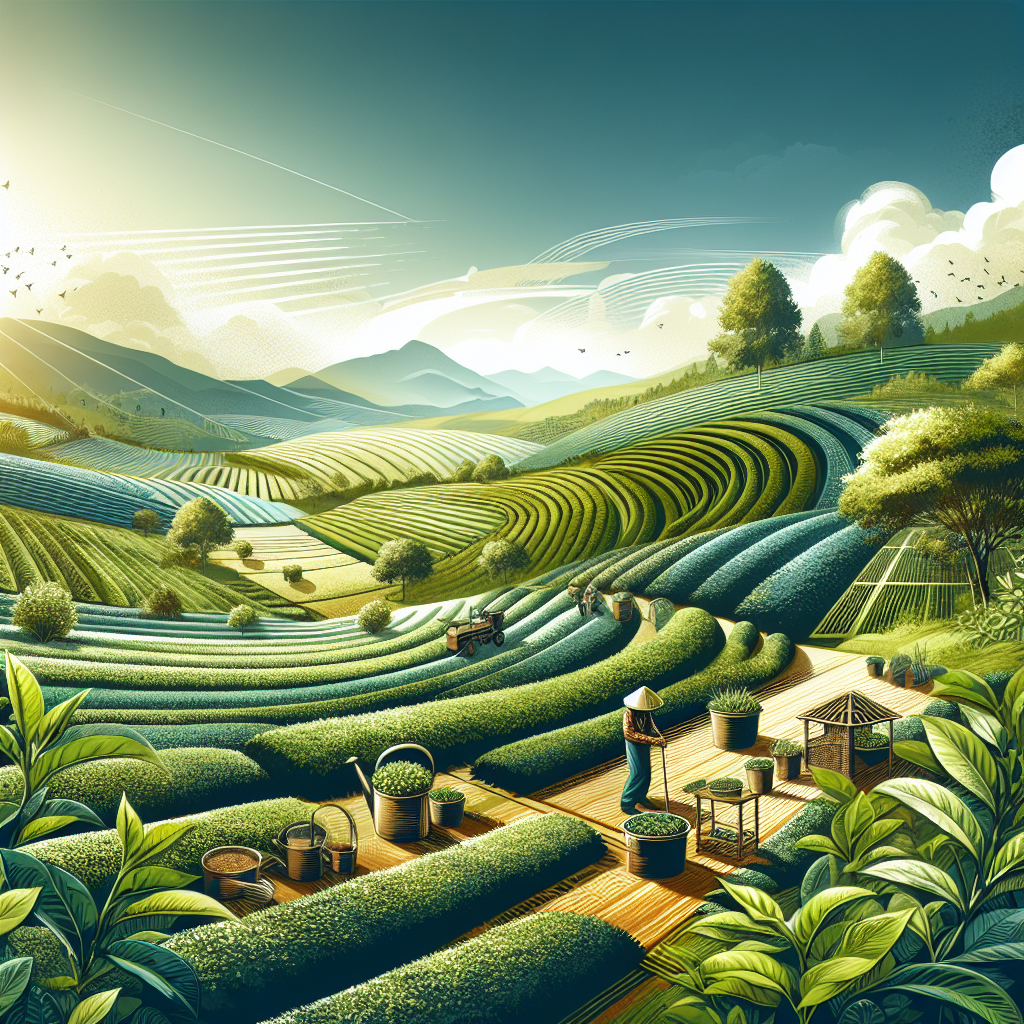
Tea is more than just a beverage; it serves as a social symbol that carries deep meanings in many cultures. However, there are many factors that affect the quality and diversity of tea. In this article, we will discuss the importance of soil and climate compatibility in the growth process of tea varieties, the care requirements of the tea plant, the challenges faced, genetic diversity, sustainable cultivation, and the impact of consumer demands on cultivation strategies.
The Importance of Soil and Climate Compatibility
In the tea growing process, soil and climate compatibility play a critical role in the healthy development of the plant. Each tea type has adapted to specific soil types and climate conditions. Therefore, the correct selection of soil and climate in tea cultivation is of great importance for yield and quality.
The tea plant prefers acidic soils and well-drained areas. These soils help the tea absorb nutrients better while also supporting the healthy development of the root system. An ideal soil pH level is between 4.5 and 6.0. Additionally, the soil structure's water retention capacity and mineral content also have an impact on the tea's aroma and flavor.
In terms of climate, the tea plant generally grows best intropicalandsubtropicalclimates. High humidity levels and regular rainfall are essential for the growth of the tea plant. However, extreme temperature fluctuations can negatively affect the plant's development. Specifically, the most suitable temperature range for tea varies between10°C and 30°C.
The harmony of soil and climate is one of the fundamental elements that determine the quality of tea. Growers making the right choices while considering these factors will directly influence the flavor profile and health of the tea. Providing the right soil and climate conditions not only increases the yield of the tea but also lays the foundation for sustainable tea cultivation.
Care Requirements of the Tea Plant
The tea plant is a plant belonging to the Camelia sinensis species, cultivated in various climatic conditions around the world. Tea cultivation requires meeting specific care requirements for the plant to grow healthily and to obtain quality leaves. These care requirements are factors that directly affect the quality and productivity of the tea.
Soil Properties
The tea plant prefers acidic and well-drained soils. The soil's pH value should generally be between 4.5 and 6.0. Additionally, having sufficient organic matter in the soil is important to meet the nutritional needs of the tea plant. Conducting a soil analysis can ensure the addition of necessary nutrients.
Water Needs
The tea plant, especially young trees, requires regular watering. However, overwatering can lead to root rot. Therefore, the frequency and amount of watering should be adjusted according to weather conditions and the moisture level of the soil.Annual rainfall should be between 1,500 mm and 2,500 mm.
Light and Temperature
The tea plant requires sunlight, but it grows better in partially shaded areas where direct sunlight exposure should be avoided. Ideally, the temperature should be between 68-86°F. Extreme hot or cold weather can negatively affect the quality of the tea.
Fertilization
The tea plant should be regularly fertilized to receive adequate nutrients during its growth period.Nitrogen, phosphorus, and potassium are essential macronutrients necessary for the healthy growth of the plant and to ensure high yields. Fertilizing during leaf drop and flowering periods supports the plant's development.
Pest and Disease Control
The tea plant is vulnerable to various diseases and pests. Therefore, regular plant observation should be conducted, and necessary precautions must be taken. Using natural and organic methods to combat diseases and pests is important for quality tea production.
Problems Encountered During the Growing Process
Tea plants can face many challenges while growing in different climate and soil conditions around the world. These challenges are factors that affect both the quality and the yield of the tea. The main issues encountered in tea cultivation are as follows:
- Climate Conditions:Tea plants generally prefer warm climates. However, extreme temperatures and sudden climate changes can negatively affect the growth of tea. In particular, frost, freezing, and excessive rainfall are factors that threaten the health of tea plants.
- Soil Quality: The ideal soil for tea cultivation is well-drained and contains sufficient nutrients. Soil acidity, mineral deficiencies, or excessive salinity can hinder the growth of tea plants.
- Diseases and Pests:Tea plants can face threats such as fungal diseases, bacterial infections, and insect pests. This situation can lead to both crop loss and reduced quality.
- Water Resources:Tea plants require a constant supply of water. However, periods of drought, insufficient water resources, and deficiencies in irrigation systems can seriously affect tea cultivation.
- Agricultural Practices:Incorrect fertilization, excessive pesticide use, or faulty irrigation techniques can negatively affect the health of tea plants. Proper agricultural practices have a direct impact on tea yield and quality.
To overcome these challenges, it is important for tea growers to adopt sustainable agricultural practices and benefit from modern technologies in this process. With good planning and management, these challenges can be addressed, ensuring the production of high-quality tea.
Genetic Diversity of Tea Varieties
Tea is a plant that has a wide genetic diversity around the world. This diversity is influenced by many factors such as thegrowing conditions, climate variability, and ecosystem dynamics. Genetic diversity allows tea plants to thrive successfully in different climates and soil conditions. However, the preservation of this genetic diversity is critical for the sustainability of the tea industry.
The Genetic Basis of Tea
The tea plant (Camellia sinensis) is divided into two main varieties: Camellia sinensis var. sinensis (Asian tea) and Camellia sinensis var. assamica (Assam tea). These varieties exhibit different characteristics under varying climate conditions and soil types. For example, Assam tea typically grows in warmer and more humid climates, while Chinese tea thrives better in cooler and drier regions.
The Effect of Cultivation Conditions
- Soil Structure:The tea plant's root system is directly related to soil pH and nutrient elements. Rich and well-drained soils help the tea plant grow healthily.
- Climate:Tea plants require specific temperatures and amounts of rainfall. For example, the ideal temperature range for tea cultivation is generally between 20-30 °C.
- Altitude:Teas grown at high altitudes generally have richer aromas and flavor profiles. This is due to the positive effects of cold weather conditions on the plant's growth.
Genetic Diversity and Sustainability
The genetic diversity of tea plants allows for the development of varieties resistant to diseases. Especially considering the effects of climate change, preserving this diversity can help tea producers overcome the challenges they face. Various methods are used to preserve genetic diversity:
- Preservation of local varieties and the use of these varieties.
- Growing more resilient varieties through hybridization techniques.
- Establishment and preservation of gene banks.
As a result, the genetic diversity of tea varieties is of great importance for both the quality of the tea and its sustainability. Preserving this diversity is a critical step in overcoming the challenges that may arise in tea production in the future.
Sustainable Tea Cultivation
Tea, beyond being just a beverage worldwide, holds significant cultural and economic importance. However, when tea production is not carried out sustainably, it can create negative impacts on the ecosystem. Sustainable tea cultivation is made possible by balancing environmental, social, and economic factors.
Factors that affect the tea growing process include elements such as climate, soil structure, water resources, and labor. These factors directly impact the quality and yield of the tea. Careful management of these elements is necessary for sustainable tea cultivation.
Climate and Tea Cultivation
The tea plant requires specific climate conditions. Generally, warm and humid climates are ideal for tea cultivation. However, climate change is a significant factor threatening this situation. Rising temperatures and changing precipitation patterns can negatively impact tea production.
Soil Quality
The tea plant grows better in nutrient-rich soils. In addition to factors such as soil quality, pH level, organic matter content, and water retention capacity, it can be improved with sustainable agricultural practices. The use of organic fertilizers and soil conservation methods enhances soil health, increasing productivity.
Water Management
Tea cultivation is dependent on water resources. Sustainable water management is possible through the optimization of irrigation systems and the implementation of water-saving techniques. Especially during drought periods, the efficient use of water is critical for maintaining the quality of tea.
Local Workforce and Social Responsibility
Sustainable tea cultivation requires support for local communities as well. Protecting the rights of workers in tea production, ensuring fair wages, and providing job security are important. In this context, social sustainability is an essential part of the production process.
Consumer Demands and Cultivation Strategies
In tea production, there is a strong interaction between consumer demands and cultivation strategies. Consumers' interest in tea types and characteristics plays a decisive role in determining which teas producers will grow and what strategies they will follow. Nowadays, with the increase in health awareness, consumers are placing more importance on the health benefits of tea, and this situation directly affects tea production processes.
The demand for teas, especially those produced using organic and sustainable methods, is forcing growers to make changes in this direction. Modern consumers desire to be informed not only about flavor but also about the origin of the teas, production processes, and environmental impacts. Therefore, tea producers are turning to more transparent and sustainable practices to meet consumer expectations.
Breeding strategies are shaped by environmental factors such as climate conditions, soil structure, and water resources, along with consumer demands. For example, tea varieties grown in warm climates have the potential to offer more aroma and flavor diversity, while teas grown in cold climates typically produce higher quality leaves. This situation increases consumer interest in certain tea types, leading producers to prioritize the cultivation of these varieties.
At this point, it is very important for producers to conduct market research and analyze consumer trends. This data helps them understand which teas are in higher demand in which markets. Additionally, producers are investing in research and development activities to create new types of tea that align with consumer demands.
As a result, tea producers should develop more flexible and adaptable strategies, taking into account changing consumer demands. This approach meets consumer expectations while also ensuring the sustainability of tea production.