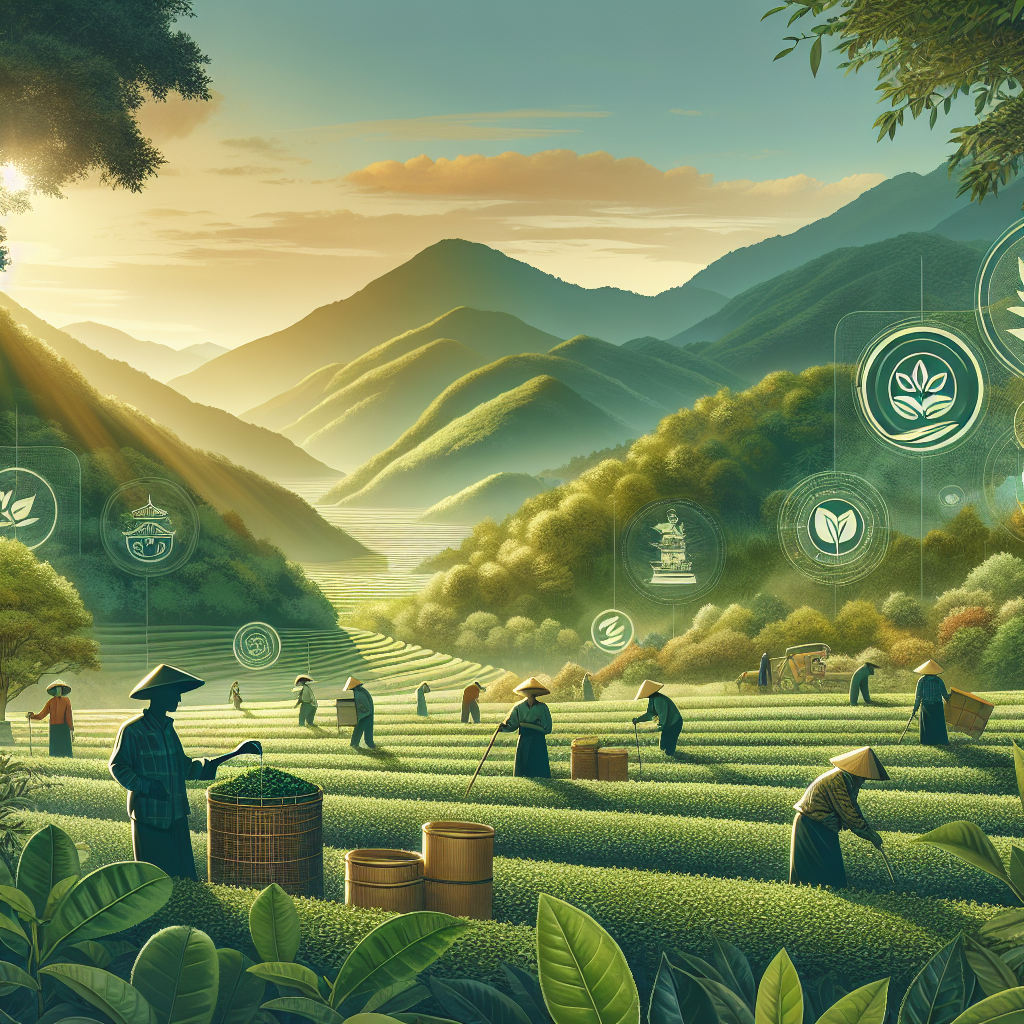
Tea holds an important place in many cultures around the world, and it is increasingly drawing attention to sustainability as well. In this article, we will discuss what sustainable tea production means, the differences between organic and traditional methods, the impact of tea plantations on ecosystems, the role of consumers, and innovative approaches in the tea industry. Additionally, we will examine sustainable tea brands to provide insights into future strategies.
What is Sustainable Tea Production?
Sustainable tea production is a way of growing tea that balances environmental, social, and economic factors. This approach includes fundamental principles such as the conservation of natural resources, reduction of environmental pollution, and support for local communities. Sustainable tea production aims not only to achieve greater profits but also to leave a healthy environment for future generations.
Sustainable tea production can be addressed in three main dimensions:
- Environmental sustainability: It is important that agricultural production processes do not harm the ecosystem, that biodiversity is preserved, and that water resources are used efficiently. In this context, the use of chemical fertilizers and pesticides should be minimized.
- Social sustainability: The aim is to improve the living standards of tea producers, adopt fair trade practices, and contribute to the social development of communities. Emphasizing the education of producers helps in obtaining quality products and enables these products to compete in the global market.
- Economic sustainability: The economic sustainability of tea production is achieved by determining competitive prices for local and international markets. Developing various strategies to increase producers' incomes enhances stability in the sector.
Sustainable tea production not only protects the environment; it also positively impacts people by fulfilling social responsibilities. Therefore, adopting sustainable practices in the tea industry has become more important than ever today.
Differences Between Organic and Traditional Methods
Tea production is an important issue from both environmental and social perspectives.Organic tea and tea produced using traditional methods have distinct differences. These differences are not limited to production processes but also impact consumer health and environmental sustainability.
Production Methods
Organic tea production is carried out in an environmentally friendly manner, without the use of chemical fertilizers and pesticides. This method allows for tea cultivation while preserving soil health and maintaining the balance of the ecosystem. In traditional tea production, however, chemical substances are often used to increase yield. This situation can harm the environment and negatively affect product quality.
Health Benefits
Organic teas offer consumers a healthier alternative due to containing fewer chemicals.Research shows that organic tea has higher levels of antioxidants and other health benefits. In traditional teas, however, chemical residues can pose health risks.
Environmental Effects
Organic tea production provides environmental benefits such as the conservation of water resources and the prevention of soil erosion. This method contributes to the protection of natural habitats by supporting biodiversity. In contrast, traditional methods can exacerbate such environmental problems; for example, excessive fertilizer use can lead to water pollution.
Consumer Preferences
In recent years, consumer interest in organic teas has increased. This should be regarded as part of the healthy living trend. By choosing organic tea, consumers aim to contribute to both their own health and the environment. While traditional teas may offer cheaper options, they may not be preferred in the long run due to potential health and environmental issues.
As a result,organic teaand traditional tea production methods show significant differences in terms of both production processes and their effects on health and the environment. Consumers should be encouraged to make eco-friendly choices by increasing this awareness.
The Effects of Tea Plantations on the Ecosystem
Tea, in addition to being a popular beverage worldwide, also draws attention for its effects on the ecosystem. The establishment of tea plantations can alter natural habitats and may lead to various environmental issues in the process. However, it is possible to minimize these effects through sustainable tea production.
Firstly, tea plants are typically grown in large areas. This situation can lead to biodiversity loss. Especially in tropical regions, tea plantations can replace other vegetation, disrupting the balance of local ecosystems. Additionally, the use of chemical fertilizers and pesticides can pollute soil and water resources, resulting in negative impacts on local flora and fauna.
However, many tea producers today have started to adopt nature-friendly and sustainable methods. Here are some points to consider in this context:
- Organic Farming Practices: The use of natural alternatives instead of chemical fertilizers and pesticides helps to maintain soil health.
- Water Management: Efficient use of water resources contributes to the preservation of local ecosystems.
- Reforestation Projects: Conducting reforestation efforts around plantation areas can enhance biodiversity and reduce carbon emissions.
- Community Participation:Developing sustainable practices with the involvement of local communities can provide both social and environmental benefits.
As a result, the effects of tea plantations on the ecosystem exhibit a complex structure. However,sustainable tea production can mitigate these effects and create a production process that respects nature. This way, we can enjoy delicious teas while fulfilling our responsibility to protect the environment.
Sustainable Tea Consumption: The Role of Consumers
Tea holds an important place in many cultures around the world and is also significant in terms of environmental impact and sustainability. As consumers, our choices in tea can directly affect the production processes of this valuable product. Sustainable tea consumption plays a critical role not only for our health but also for our planet.
Sustainability in tea production requires considering environmental, social, and economic dimensions together. In this context, there are some key points on how consumers can make more conscious choices:
- Supporting Local Producers: By choosing local tea producers, you can support the local economy and also reduce the carbon emissions associated with long-distance transportation.
- Choosing Organic and Certified Products:Organic teas are environmentally friendly as they are produced without the use of chemical fertilizers and pesticides. Additionally, certified products refer to teas that have been grown according to sustainable agricultural practices.
- Pay Attention to Packaging Selection: When purchasing tea, opting for recyclable or biodegradable packaging helps reduce waste.
- Creating Awareness:By raising awareness about tea consumption, you can encourage your friends and family to make informed choices as well.
These points provide a starting point for the steps you will take regarding sustainable tea consumption. Consumers acting with this awareness will contribute to the tea industry's shift towards a more sustainable future.
In addition to reducing the environmental impacts of tea consumption, it is also important to encourage producers to adopt sustainable farming practices. This way, we will not only enjoy delicious beverages but also demonstrate a respectful approach to nature.
It should be noted that each consumer has avoice that influencesthe future of tea production. With conscious choices, we can contribute to a healthier planet.
Innovative Approaches in the Tea Industry
Today, the tea industry is undergoing an important transformation process in terms of sustainability. By adopting environmentally friendly and innovative approaches in tea production processes, a production model that respects both nature and human health is being established. In this context, let's examine some innovative methods applied in tea production.
1. Organic Farming Practices
Organic farming methods in tea production contribute to the protection of nature by minimizing the use of chemical fertilizers and pesticides. Organic teas reduce environmental impacts while providing consumers with a healthier option. Organic tea production is carried out using natural methods that enhance soil fertility.
2. Water Conservation and Efficiency
The efficient use of water resources is also of great importance in tea production. Innovative irrigation techniques increase sustainability in tea farming by saving water. For example, drip irrigation systems prevent waste by allowing water to reach the plant roots directly.
3. Waste Management and Recycling
The management of waste generated during the tea production process plays a critical role in terms of environmental sustainability. Innovative tea businesses, by ensuring the recycling of waste, are both reducing costs and minimizing their impact on the environment. For example, the waste obtained during the processing of tea leaves is utilized in biogas production or composting processes.
4. Use of Renewable Energy
Energy consumption in tea production is a factor that directly affects environmental impact. The use of renewable energy sources reduces the carbon footprint in production processes. By utilizing alternative energy sources such as solar panels or wind turbines on tea farms, energy needs are met in an environmentally friendly manner.
5. Social Responsibility Projects
As part of their sustainability efforts, tea producers are developing social responsibility projects in collaboration with local communities. While these projects aim to improve the living standards of producers, they also strengthen social solidarity.
As a result, sustainability and innovation in the tea industry are of great importance in terms of reducing environmental impacts and increasing social benefits. These innovative approaches, ranging from organic farming to water conservation, waste management to the use of renewable energy, are laying the groundwork for a healthier tea production model in the future.
Sustainable Tea Brands: Examples and Reviews
Today,sustainabilityhas become an important part of the tea industry. The increasing environmental awareness of consumers is guiding tea producers towards more eco-friendly and ethical production methods. In this article, we will examine brands that produce sustainable tea and explore the philosophy behind their practices.
1. What is Sustainable Tea?
Sustainable tea refers to tea produced using environmentally, socially, and economically sustainable methods. These types of tea help conserve natural resources while also improving the living standards of producers. Sustainable tea production is based on criteria such as organic farming, water management, energy efficiency, and social justice.
2. Example Sustainable Tea Brands
- Numi Organic Tea:Numi focuses on environmental sustainability by offering organic and fair trade certified teas. The teas are presented in non-acidic packaging and water conservation is ensured during the production process.
- Harney & Sons:This brand collaborates with farms that adopt sustainable farming practices. Their teas are harvested and processed using eco-friendly methods.
- Rishi Tea: Rishi supports sustainable farming practices by working directly with farmers. Additionally, it offers a transparent system for the traceability of teas.
3. Sustainability Practices and Effects
Sustainable tea brands adopt various practices to reduce their environmental impact. Among these practices are the use ofnatural fertilizersinstead of chemical fertilizers, drip irrigation systems for water conservation, and energy-efficient production processes. Such practices not only show environmental awareness but also enhance the quality of the teas.
4. Consumer Awareness and Sustainable Choices
Tea consumers can make positive contributions to the environment by choosing sustainable products. Reading labels and looking for signs such as organic and fair trade certifications is important for making informed choices. This will encourage not only individuals but also producers to adopt sustainable practices.
Sustainable Tea Strategies for the Future
Tea is not only a beverage that holds an important place in the lives of millions of people around the world, but it also has great potential in terms of environmental sustainability. However, the environmental issues encountered in tea production threaten this potential. Therefore, developing new strategies for sustainable tea production is of critical importance.
In the future, the following strategies should be emphasized to reduce the environmental impacts of tea production:
- Organic Farming Practices: It is necessary to adopt organic farming methods that reduce the use of chemical fertilizers and pesticides, preserving soil health and increasing biodiversity.
- Water Resource Management:Optimizing water use in tea cultivation and implementing water-saving techniques will provide benefits both environmentally and economically.
- Supporting Local Communities:Empowering tea producers in a way that supports the economic development of local communities can contribute to the widespread adoption of sustainable practices.
- Use of Renewable Energy: Utilizing renewable energy sources instead of fossil fuels in tea production processes will minimize environmental impact by reducing greenhouse gas emissions.
- Environmental Education and Awareness: Raising awareness among producers and consumers about sustainable tea production will enhance the effectiveness of these strategies.
These strategies will not only help ensure sustainability in tea production but also make it possible to offer consumers a healthier and more environmentally friendly product. The fact that tea becomes a symbol of a nature-respecting production process rather than just a beverage will be a significant gain for future generations.