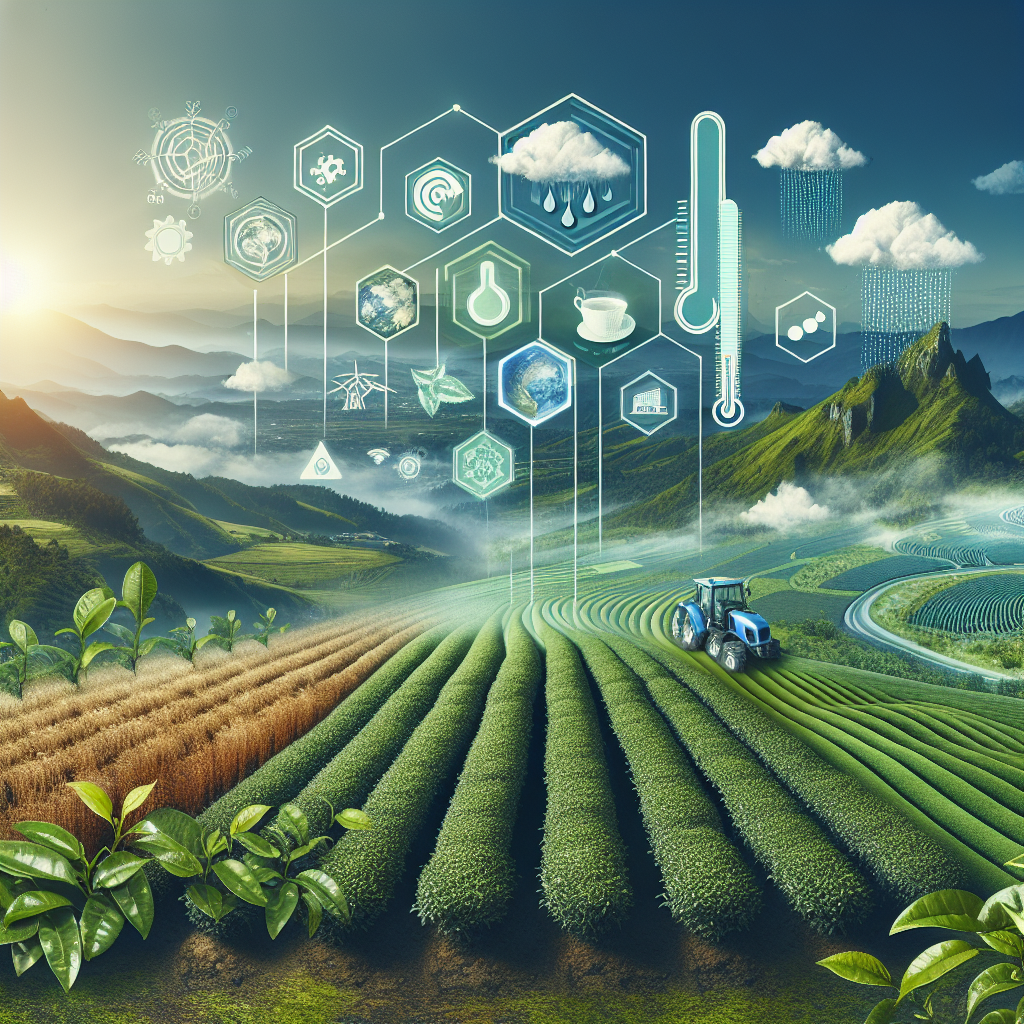
Tea is a beverage that holds significant importance in many cultures around the world, and it is also affected by global issues such as climate change. In this article, we will discuss how tea cultivation interacts with climate change, adaptation strategies, the future of tea varieties, and changes in consumer behavior. Additionally, we will provide up-to-date information on the role of sustainability and technology in tea farming.
The Effects of Climate Change on Tea Agriculture
Climate change is a phenomenon that causes profound changes in tea agriculture. In particular, increases in temperature, changes in precipitation patterns, and extreme weather events directly affect the growth cycles of tea plants. Tea plants areespecially sensitiveto temperature and humidity conditions. Therefore, the effects of climate change pose significant challenges in tea production.
High temperatures can negatively affect the quality of tea leaves. In particular, exceeding the values in the optimal growth temperature range of 20-30 °C for tea plants can cause leaf burning and loss of their aromas. Additionally, rising temperatures can promote the spread of harmful insects and diseases, leading to a loss of yield in tea production.
Changes in precipitation patterns are another factor affecting tea cultivation. Especially prolonged drought periods or sudden flood events can negatively impact the irrigation needs of tea fields and soil fertility. Since tea plants are sensitive to water stress, such climatic changes directly affect the quantity and quality of production.
In the face of the challenges posed by climate change, tea growers need to develop new strategies. Adaptation strategies aim to prepare for these changes and ensure the sustainability of tea farming. In this context, various approaches are emerging, such as the development of climate-resistant tea varieties, the improvement of irrigation methods, and the updating of soil management practices.
Adaptation Strategies: Practices of Tea Growers
Tea, while being an important agricultural product worldwide, faces many challenges due to climate change. High temperatures, changing precipitation patterns, and increasing climatic uncertainties directly affect tea cultivation. Therefore, tea producers are trying to overcome these challenges by developing sustainable methods and adaptation strategies.
Adaptation strategies include selecting more resilient varieties of tea plants, improving water management systems, and updating agricultural practices. Here are some of these strategies:
- Selection of Resilient Tea Varieties:Tea producers can increase their efficiency by choosing tea varieties that are more resilient to climatic conditions. For example, hybrid tea varieties suitable for hot climates may be more resistant to such changes.
- Efficient Use of Water:As water resources decrease due to climate change, establishing effective irrigation systems is of great importance. Modern irrigation techniques, such as drip irrigation, ensure more efficient use of water.
- Soil Management:Using organic fertilizers is beneficial for maintaining and enhancing soil health, preventing soil erosion, and increasing water retention capacity.
- Climate Monitoring and Prediction Systems:Tea producers can utilize technological solutions to monitor climate changes, allowing them to plant and harvest at appropriate times. Such systems play a critical role in increasing agricultural productivity.
- Agricultural Training Programs:Training programs for tea growers help in the adoption of sustainable agricultural practices. By learning methods to cope with climate change, farmers can make more informed decisions.
These strategies enable tea growers to become more resilient against the negative effects of climate change, while also paving the way for sustainable tea production. Farmers who succeed in the adaptation process will be better equipped to handle future challenges.
As a result, the evolving strategies to cope with climate change in tea cultivation are enhancing environmental sustainability and securing the future of the tea industry. Therefore, tea producers can increase their profits by adopting innovative methods while also leaving a healthy tea legacy for future generations.
The Future of Tea Types: Which Varieties Will Survive?
Climate change is profoundly affecting agricultural practices worldwide. Tea, as a product that grows particularly in warm climates and is dependent on sensitive ecosystems, is significantly impacted by this change. The survival of tea species in the future will depend on their ability to adapt to climate change and specific cultivation conditions.
The main factors affecting the future of tea types include rising temperatures, changes in rainfall patterns, and the spread of diseases. These factors directly impact the quality and yield of tea. For example,black tea is more resistant to high temperatures, whilegreen tea andwhite tea are more sensitive types.
In response to climate change, tea growers are developing certain strategies.These strategies include:
- Development of native and resilient tea varieties
- Adoption of sustainable farming methods
- Wise management of water resources
- Increasing education and awareness related to climate change
Especially,Oolong tea is a type with a high potential for adapting to climate change. Due to its ability to grow at high altitudes, it is more resilient against heat waves. At the same time,white tea stands out as an elegant type that also has the potential to adapt to future climate conditions.
As a result,the future of tea types is directly related to their ability to cope with climate change and adaptation strategies. Growers will need to develop innovative solutions to tackle these challenges. In this context, the widespread adoption of sustainable agricultural practices and the establishment of conscious consumption habits are of great importance.
Consumer Behaviors: Changes in Tea Consumption in Response to Climate Change
Climate change fundamentally affects the production processes of agricultural products worldwide, while also shaping tea consumption habits. Consumers are making various changes in tea consumption by increasing environmental concerns and health awareness. In this context, the sustainable production of tea and its effects on healthy living are gaining more importance today.
Changing Trends in Tea Consumption
- Organic and Sustainable Choices:Consumers are turning to teas produced through organic and sustainable methods, considering the effects of climate change. These teas are considered to be less harmful to the environment and more beneficial for health.
- Aromatic and Health Benefits:The aromatic properties and health benefits of teas play an important role in consumers' choices. In particular, green tea, known for its antioxidant properties, and oolong tea, which stands out for its weight loss support effects, are increasing in popularity.
- Digital Consumption Habits:The proliferation of online shopping platforms has made it easier for consumers to access different types of tea. Consumers are making more informed choices by learning about teas through social media and digital content.
Climate Change and Consumer Awareness
Climate change is transforming not only the challenges faced in tea production but also consumer habits. By observing the effects of climate change, consumers are increasingly opting for more environmentally friendly and sustainable products, thereby increasing the demand for these products. Tea producers are reviewing their production processes to meet this demand and are developing innovative methods to ensure environmental sustainability.
As a result, these changes in tea consumption are not limited to individual preferences but also affect the future of the tea industry. Tea lovers are taking an important step towards protecting both their health and the environment by making conscious choices to combat climate change.
Sustainability and Tea: Ecosystem Management Practices
Tea is not only an indispensable part of many cultures around the world, but the importance of ecosystem management is also increasing with climate change. When tea cultivation is not conducted in an environmentally sensitive manner, it can threaten both production efficiency and the sustainability of natural resources. Therefore, ecosystem management practices play a critical role in sustainable tea production.
Ecosystem management is an approach aimed at the conservation and improvement of the resources provided by nature. In tea agriculture, this approach includes many elements, from the conservation of biodiversity to the management of water resources.
1. Protecting Natural Diversity
Preserving biodiversity in tea production areas is an important step in maintaining ecosystem balance.The presence of various vegetation and animal species increases the capacity to combat pests naturally. This offers an opportunity to reduce the use of chemical pesticides.
2. Water Management
Tea cultivation requires the efficient use of water resources. To conserve water, methods such as water reuse and rainwater harvesting should be implemented. These types of practices not only reduce costs but also contribute to the sustainability of water resources.
3. Soil Management
Maintaining soil health is essential for the healthy growth of tea plants. The use of organic fertilizers andsustainable farming techniquesto improve soil structure enhances tea quality in the long term. In this context,preventing soil erosionis also of great importance.
4. Agricultural Sustainability
Sustainability in tea cultivation requires the development of agricultural production methods that are compatible with the ecosystem. In this context,organic farming practices andeco-friendly pesticides provide advantages for both the environment and health.
As a result, ecosystem management practices in tea cultivation ensure both environmental sustainability and enhance tea quality. The adoption of these methods by tea producers is a critical step towards healthier and more sustainable tea production in the future.
The Role of Technology in Tea Cultivation
In today's world, climate change has significant impacts on the agricultural sector, and this also affects tea cultivation. Although tea is a plant that grows in various climatic conditions around the world, the use of innovative technologies to cope with the challenges posed by climate change is of critical importance. In this context, let's examine some technological advancements used in tea cultivation.
First of all,data analytics technologies play an important role in the management of tea plantations. Sensors and satellite imaging systems are used to monitor the growth conditions of the plants, allowing for continuous tracking of factors such as water needs, soil quality, and weather conditions. This data provides farmers with the opportunity to optimize their production processes, thereby increasing both efficiency and the more effective use of resources.
Secondly,drip irrigation systemssuch as modern irrigation methods help conserve water and meet the water needs of plants more efficiently. Especially in hot and dry climates, these types of systems minimize water loss, thereby increasing the quality and quantity of tea production. Additionally, the automation of these systems reduces the workload for farmers and saves time.
In addition to these,biotechnology advancements are increasing the resistance of tea plants to diseases and helping them adapt to climate change. Genetic engineering techniques are enabling the development of more resilient tea varieties, allowing farmers to obtain products that are more resistant to adverse weather conditions.
Finally,sustainable agricultural practices play an important role in tea cultivation. Organic farming and agroecological methods are essential for both environmentally friendly and healthy tea production. These types of techniques allow for the tea plants to be grown in a more sustainable manner while preserving soil health.
In summary, the role of technology in combating climate change is vital for addressing the challenges faced in tea cultivation. By adopting these new technologies, farmers can create a sustainable production process while also meeting future tea demand.
Future Scenarios: Climate Change and the Future of the Tea Industry
Climate change is a significant factor affecting many agricultural production areas worldwide, and tea cultivation is also impacted by these conditions.Since tea is an extremely sensitive plant to climate conditions, future scenarios contain critical elements that will shape the tea industry.
Firstly,increasing temperaturesandchanging rainfall patternsare emerging as one of the biggest threats to tea cultivation. Especially in tropical and subtropical regions, the disruption of climate conditions that are ideal for tea plants will negatively affect productivity. This situation will necessitate the development ofnew agricultural techniquesandsustainable practices.
With climate change, the sensitivity of tea plants to diseases and pests may also increase. Therefore, tea producers will need to turn to strategies such as biological control methods and genetic resistance. The implementation of these strategies is crucial for maintaining tea quality.
- Development of new tea varieties.
- Highlighting local varieties suitable for climate conditions.
- The widespread adoption of sustainable agricultural practices.
- Optimizing water management strategies in tea production.
Additionally, tea producers will need to focus on organic and sustainable products in line with market demands and consumer preferences. The increasing environmental awareness among consumers is another important factor shaping the future of the tea industry.Sustainability will become not just a marketing strategy for tea producers, but also a necessity.
As a result, climate change will deeply affect the tea industry. Future tea cultivation scenarios will be based on environmental sustainability, the use of new technologies, and meeting consumer demands.Tea producers must develop innovative solutions to cope with these challenges.