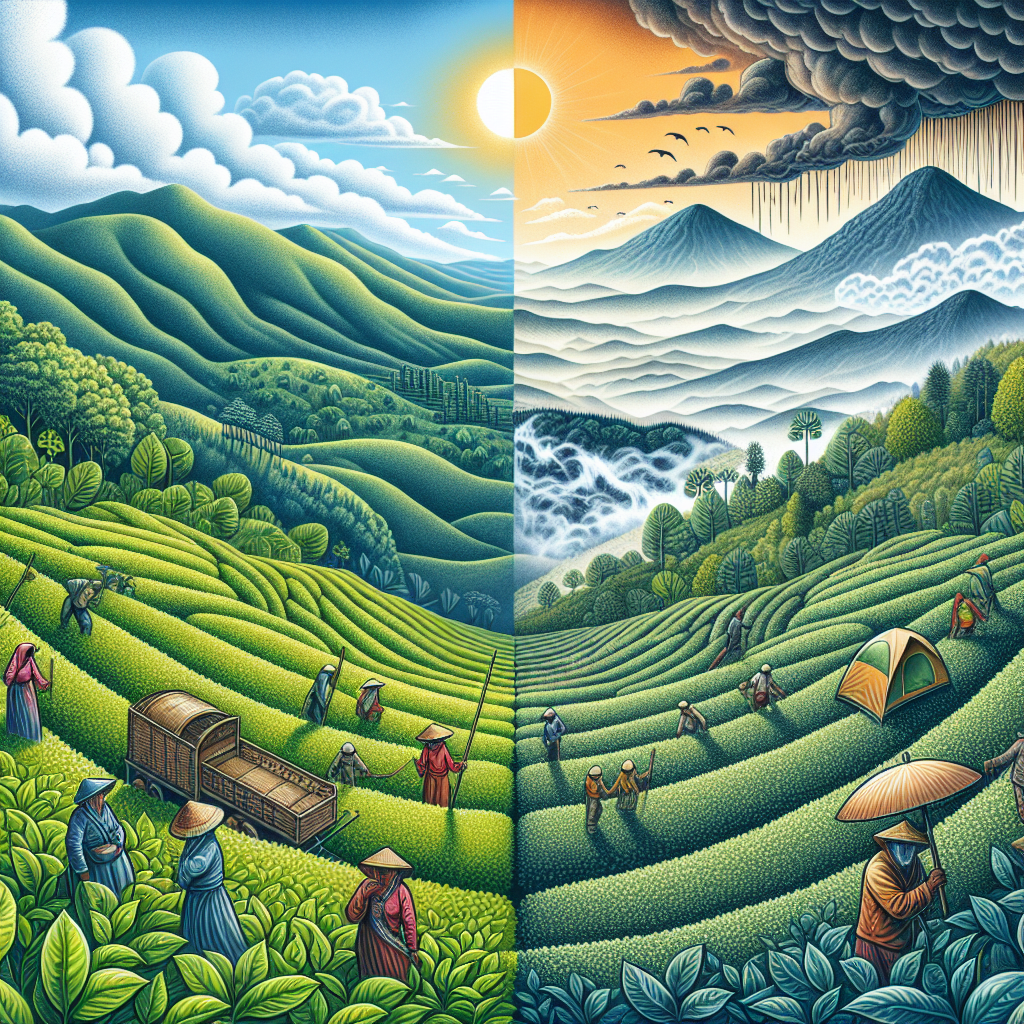
Tea is not only an indispensable part of many cultures around the world, but it is also quite diverse in terms of its growing conditions. In this article, we will explore how tea is cultivated in different climatic conditions; we will discuss production techniques in hot and cold climates, the effects of climate change, the conservation of local tea varieties, and climate-appropriate cultivation methods. Additionally, we will examine the adaptation of the tea plant to climatic conditions and how producers respond to these conditions.
Tea Cultivation in Warm Climates
Growing tea in hot climates presents certain challenges and opportunities. In these regions, the tea plant is typically exposed tohigh temperatures,high humidity, andlow rainfall. Therefore, developing appropriate strategies for tea cultivation is critically important.
Firstly, the most ideal growth conditions for tea plants must be provided in warm climates. The following factors should be considered for this:
- Soil Selection:In warm climates, well-drained and nutrient-rich soils should be preferred. This helps the tea plant to grow healthily.
- Water Management:Water sources may be limited in hot climates. Therefore, irrigation methods should be carefully planned and water conservation must be ensured. Modern techniques such as drip irrigation can be beneficial in this regard.
- Shading:When tea plants are grown in shaded areas on hot days, excessive heat stress is reduced. Therefore, it is recommended to provide shading with trees or other plants.
- Disease Management:The risk of disease and pests spreading increases in warm climates. It is important for producers to minimise these risks through biological control methods and organic farming practices.
These strategies help to successfully maintain tea cultivation in warm climates. Additionally, benefiting from the experiences of local farmers contributes to identifying best practices suitable for regional climate conditions. In this way, both tea quality can be improved and sustainable production can be ensured.
Tea Production Techniques in Cold Climates
Tea, as a plant grown in various climatic conditions around the world, faces unique challenges and advantages in each region.Cold climates require the implementation of specific strategies for tea cultivation. In this article, we will focus on the key points to consider in tea cultivation in cold climates.
The Effect of Climate Conditions
Cold climates are characterised by low temperatures and short growing seasons, which make the growth of the tea plant challenging. Therefore, the selection of the tea plant is of great importance. Among the types of tea that can be grown in cold climates, the most suitable are varieties that are resistant to low temperatures. The selection of these varieties can vary depending on both climate conditions and soil structure.
Soil Preparation and Maintenance
In cold climates, soil preparation and maintenance processes play a critical role in tea cultivation.The soil pH should be between 5.5 and 6.5. The soil must be well-drained and enriched with organic matter. Additionally,fertilisation practices carried out in the summer months help the tea plant enter the winter months stronger.
Heat Management
In cold climates, suitable heat management strategies should be developed to protect tea plants. For example, various protection systems can be used to cover the plants or direct warm air currents. These systems help to protect tea plants, especially during periods when night temperatures are low.
Water Management
Water resource management is vital for tea cultivation in cold climates. Low temperatures can cause water to freeze and damage the roots. Therefore, irrigation systems must be carefully planned, and water should be used efficiently. Especially during the summer months, irrigation helps tea plants grow healthily.
Local Applications and Experiences
Tea cultivation experiences in cold climates should be developed through sharing among local farmers.Local practices play a significant role in adapting to climate conditions. By bringing together their past experiences and successful practices, farmers can develop more resilient systems against climate changes.
The Effects of Climate Change on Tea Agriculture
Climate change is fundamentally altering agricultural practices worldwide, and tea cultivation is also affected by this change. The tea plant has a structure that is sensitive to temperature and rainfall, which are among the determining factors of climate. Therefore, climate change presents new challenges and opportunities for tea producers.
Especially the effects of rising temperatures on the tea plant have significant implications for yield and quality. The tea plant achieves the best yield within optimal temperature ranges. However, increasing temperatures can raise the stress levels of the plant, which may adversely affect the quality of the tea leaves. Additionally, extreme temperatures can reduce the plants' resistance to diseases, creating a more favourable environment for pests and pathogens.
Changes in precipitation patterns also affect tea cultivation. In particular, sudden changes in rainfall can disrupt the soil's moisture balance, negatively impacting the growth cycle of tea plants. Excessive rainfall can lead to soil erosion and root rot, while low rainfall can increase irrigation requirements, raising production costs.
- Sustainable Farming Practices:Tea producers can protect soil health and increase productivity by adopting sustainable methods.
- Use of Advanced Technology:Smart irrigation systems and climate control technologies can optimise tea production by ensuring water conservation.
- Conservation of Local Varieties:Developing climate-resistant tea varieties is crucial for the future of tea cultivation.
As a result, climate change is a complex phenomenon that affects tea cultivation. It is vital for tea producers to adapt to these changes, develop sustainable solutions, and adopt local practices for successful tea farming in the future.
Conservation of Local Tea Varieties
Tea holds significant cultural and social importance, as well as being crucial for the preservation of local varieties. Local tea varieties are shaped by the climate, soil, and cultivation methods of their respective regions. Preserving these varieties not only enriches our tasting experience but also contributes to maintaining healthy ecosystems by increasing biodiversity.
Several strategies have been developed for the preservation of local tea varieties:
- Support for Traditional Methods:Helping local producers maintain traditional cultivation techniques plays a critical role in the preservation of these varieties. These methods typically involve producing tea naturally without the use of chemical fertilisers and pesticides.
- Community-Based Projects:Training and raising awareness among local communities about tea cultivation helps in the conservation of these varieties. Collaboration and information sharing among tea producers facilitate the spread of sustainable practices.
- Support for Ecotourism and Local Products:Ecotourism projects not only promote local tea varieties but also enhance the economic value of these products, supporting producers. Visitors tasting local teas and learning about these products emphasises the importance of local varieties.
- Scientific Research:Researching the genetic characteristics and health benefits of local tea varieties helps in developing strategies for their conservation. Scientists can develop innovative methods to enhance the resilience of these varieties against climate change.
The preservation of local tea varieties is not only an environmental issue but also of great importance in terms of passing cultural heritage on to future generations. These varieties form a part of local identity and reflect the history of communities. Therefore,the preservation of local tea varieties, when combined with sustainable agricultural practices, contributes to both the conservation of ecosystems and the maintenance of social values.
As a result, the preservation of local tea varieties is of great importance both environmentally and culturally. By protecting these varieties, we can carry not only the richness of tea but also the cultural heritage of the regions they are found in to future generations.
Tea Cultivation Methods Suitable for the Climate
The process of tea cultivation varies depending on climatic conditions. The unique characteristics of each climate have a decisive impact on the taste, aroma, and quality of the tea. Therefore, it is of great importance to develop methods suitable for climatic conditions in tea cultivation.
Selection of Tea Varieties According to Different Climate Conditions
The tea plant is a type of plant that can be grown in different climatic conditions. Choosing suitable tea varieties for hot and cold climates is a critical step in increasing productivity. Here are some important points:
- In Warm Climates: Oolong and green tea varieties grow better in warm climates. These types are resistant to high temperatures and can utilise sunlight effectively.
- In Cold Climates:Black tea grows better in cold climates. Low temperatures can enhance the flavour and quality of these types of tea.
Soil and Water Management
Soil quality and water management are also important for the healthy growth of the tea plant. The following strategies can be used to achieve success in tea cultivation:
- Soil Analysis: The analysis of the soil's pH level and nutrients is necessary to determine appropriate fertilisation methods.
- Water Management: Irrigation systems should be optimised to meet the needs of tea plants, especially during dry periods.
Local Applications and Traditional Methods
Local practices in different regions play an important role in tea cultivation. Traditional methods have been adapted to the specific climatic conditions of the area and have historically been successful. For example:
- Traditional Irrigation Techniques: Irrigation methods developed by local people support the growth of tea plants while conserving water.
- Pest Control Methods:It is possible to reduce pesticide use by employing organic and natural methods. This is both environmentally friendly and healthier.
As a result, tea cultivation methods suitable for climatic conditions are vital for the healthy development of tea plants and the production of high-quality products. The adoption of sustainable practices in agriculture will provide long-term benefits both environmentally and economically.
Adaptation of the Tea Plant to Climate Conditions
The tea plant, a species of Camellia sinensis, stands out for its ability to grow in different climatic conditions. This adaptation is an important factor that affects the quality and yield of tea. While tea grows best in subtropical and tropical climates, it can also be successfully produced by developing various strategies in different climatic conditions.
The climate has a significant impact on the taste, aroma, and overall quality of tea. Here are some points to consider regarding the adaptation of the tea plant to different climatic conditions:
- Moisture Level:The tea plant performs best in high humidity environments. High humidity supports the growth of the plant, while low moisture levels can lead to the drying of tea leaves and a loss of quality.
- Temperature:The tea plant grows best at temperatures between 15-30 °C. In hot climates, the plant's water requirements increase, and therefore the correct application of irrigation techniques is critically important.
- Altitude:Teas grown at high altitudes can develop more intense and rich aromas due to being exposed to generally lower temperatures. These types of teas often carry a lower risk of harmful pests and diseases.
- Light Level:The tea plant requires sufficient sunlight. However, excessive sunlight can cause the leaves to burn; therefore, shading techniques may be used.
Tea growers develop local practices taking these climatic conditions into account and implement various strategies to enhance the quality of tea. For example,in hot climates, the modernisation of irrigation systemsandsoil analysismethods are used to maintain the health of the plants and achieve high-quality products. Additionally, selecting tea varieties suitable for local climatic conditions is of great importance in terms of efficiency and quality.
As a result, the adaptation of the tea plant to climatic conditions is a critical factor that affects not only the health of the plant but also the economic success of the producers. Therefore, tea producers need to continuously develop new methods to cope with climate change and adopt sustainable agricultural practices.
Responses of Tea Producers to Climate Conditions
Tea cultivation is shaped by various strategies employed by producers to adapt to different climatic conditions. Since climate change is a significant factor that greatly affects agricultural production, tea producers are developing proactive approaches to these changes. Here are some key strategies that tea producers have adopted to respond to climatic conditions:
- Use of Local Climate Information:Tea producers carefully monitor local climate conditions to determine which types of tea will grow better. This information plays a critical role in selecting the appropriate varieties.
- Sustainable Agriculture Practices: Sustainable farming methods, such as the use of organic fertilisers and irrigation systems that conserve water, make a significant contribution to reducing the effects of climate change.
- Diversity:Producers adopt a diversity strategy by growing different types of tea together to combat climate changes. This increases resilience against diseases and pests.
- Soil Management:Practices aimed at improving soil quality support the healthy growth of the tea plant. Therefore, soil analysis and regular maintenance are important.
- Climate-Focused Education:Training programmes for tea producers enable them to cope with climate change and learn new agricultural techniques. Such training increases the knowledge level of local communities, thereby enhancing productivity.
These strategies facilitate tea producers' adaptation to climate conditions and the development of a sustainable production model. Thus, it offers the possibility of tea cultivation on more robust foundations, both environmentally and economically.
- Local climate information is used to determine the correct types of tea.
- Sustainable agricultural practices provide an environmentally friendly production process.
- Different types of tea increaseendurance.
Although changes in climate conditions pose challenges to tea production, it is possible for producers to overcome these challenges with such strategies. Sustainability and the use of local knowledge are critical for the future of the tea industry.