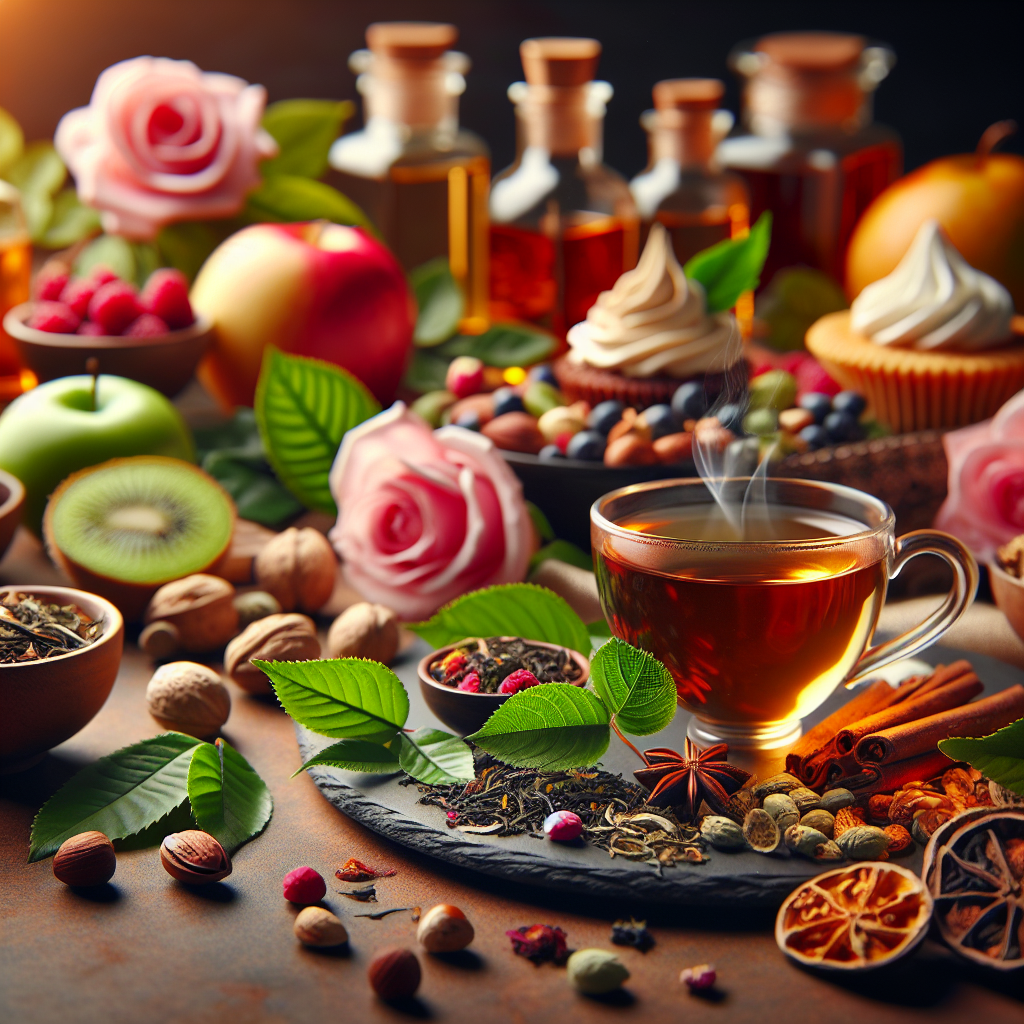
Tea, beyond being just a beverage, offers an experience that captivates our minds and palates with its deep aromatic profiles. In this article, we will explore the aromatic properties of teas, their effects on health, how they can be paired with food, their use in innovative beverages, and their roles in sensory experiences. We will also touch upon the benefits derived from the combination of tea and aromatherapy.
Aromatic Profile Analysis of Teas
The aromatic profiles of teas create the unique character of each tea, and these profiles vary according to the type of tea, the place where it is grown, the processing method, and the brewing technique. Understanding the aromatic properties of teas not only enriches our tasting experience but also reveals their effects on health. Below are some important points to consider when analysing the aromatic profiles of teas:
- Aromatic Components:The components found in tea, such as polyphenols, flavonoids, and essential oils, are the key elements that create the aroma of the tea. For example, the catechins found in green tea provide a herbal and slightly sweet aroma, while the theaflavins found in black tea create a darker and richer flavour profile.
- Processing Methods:The way tea is processed has a decisive effect on its aromatic profile. Fermentation deepens the taste and aroma of the tea, while drying methods affect the intensity of the aroma. For example, oolong tea combines the characteristic features of both green and black tea, while white tea offers a lighter and more floral aroma.
- Brewing Time and Temperature:The brewing time and temperature of tea directly affect its aroma and flavour. Brewing at low temperatures and for short durations brings out the tea's light and refreshing aromas, while high temperatures and long brewing times create a more intense and deep flavour profile.
These elements are the fundamental components that create the aromatic profile of tea, and analysing these profiles helps you make more informed decisions when selecting tea. The aromatic diversity of teas enriches your tasting experience and allows you to better understand their contributions to your health.
The Effects of Tea Aromas on Health
Tea presents itself as both a cultural heritage and an important beverage for health. The unique flavours of different types of tea can influence not only our taste buds but also our health. Here are some key points to explore the effects of tea flavours on health:
- Black Tea Aroma:Thanks to its high antioxidant content, black tea aroma supports heart health. Additionally, the caffeine it contains boosts energy levels, enhancing mental performance.
- Green Tea Aroma:The light and herbal aroma of green tea helps accelerate metabolism, aiding in weight control. Additionally, it contains an amino acid called L-theanine, which helps reduce stress levels.
- Oolong Tea Aroma:Oolong tea has a rich and sweet aroma. Regular consumption of this tea may support skin health and is known for its anti-aging effects.
- White Tea Aroma:The light and delicate aroma of white tea has calming properties. This tea not only provides mental tranquility but also has positive effects on skin health.
You can use teas with different aromas according to your health and wellness goals. For example, you may prefer white tea during your yoga or meditation sessions, while you might choose black tea to meet your energy needs throughout the day.
To best evaluate the effects of tea aromas on our health, the correct brewing methods and timing of consumption are of great importance. The appropriate brewing time and temperature for each type of tea ensure that the aromas and health benefits reach their maximum potential.
As a result, tea flavours hold significant importance not only in terms of taste and aroma but also for their positive effects on health. Therefore, by enriching your tea consumption, you can support both your palate and your health.
Tea Aroma Food Pairing Suggestions
Tea is not just a beverage with a rich aroma and different flavour profiles, but also a companion that pairs perfectly with meals. Each type of tea can match certain dishes with its unique flavours, thus enriching your dining experience. Here are some pairing suggestions for tea flavours with food:
Dishes that Pair Well with Black Tea
Black tea pairs wonderfully with rich desserts and meat dishes due to its strong and intense aroma. It provides an ideal match with the following dishes:
- Roasted meat dishes
- Chocolate desserts
- Spicy dishes
Dishes that Pair Well with Green Tea
Green tea has a light and refreshing aroma. For this reason, it pairs perfectly with light dishes such as fresh vegetables and seafood:
- Sushi and sashimi
- Grilled vegetables
- Salads
Dishes that Pair Well with Oolong Tea
Oolong tea carries an aroma that lies between green and black tea. Therefore, it creates a good balance with both sweet and savoury dishes:
- Fried chicken
- Sweet pastries
- Asian cuisine dishes
Dishes that Pair with White Tea
White tea has an elegant and light flavour profile. This tea pairs best with dishes that have lighter and gentler flavours:
- Baked fish
- Light soups
- Soft cheeses
The Importance of Tea Flavours in Pairing with Food
When pairing tea with food, it is important to consider how the aromas of the tea can complement the flavours of the dishes. Tea deepens the taste of the food and enriches the dining experience. Therefore, paying attention to tea pairings while serving your meals will provide your guests with an unforgettable experience.
Innovative Beverages Using Tea Flavours
Tea has secured an important place in various cultures around the world with its rich aroma and diverse types. However, in recent years, innovative beverages that utilise tea flavours have offered a new experience for tea enthusiasts. These drinks go beyond traditional tea brewing methods, providing alternatives enriched with different tastes and aromas.
The following flavours are frequently used in tea compositions:
- Lavender: With its relaxing effect, lavender creates a perfect aroma when combined with green tea.
- Star Anise:This aroma, particularly compatible with oolong tea, offers an exotic taste experience.
- Fruit Flavours: Teas enriched with various fruit essences (mint, lemon, citrus, etc.) offer a refreshing beverage alternative.
- Spices:Spices like ginger or cinnamon not only enhance the flavour of tea but also provide health benefits.
These flavours are particularly preferred in iced teas and mixed drinks served in a glass. For example,lavender green tea orstar anise oolong tea are beverages that are both visually stunning and appealing to the palate.
- Lavender Iced Green Tea: Ideal for cooling down in the summer months.
- Fruit Oolong Tea: A light beverage enriched with fresh fruit pieces.
- Spiced Black Tea: A choice prepared with ginger and cinnamon that will warm you up during the winter months.
These innovative beverages that use tea aromas stand out not only for their flavour but also for their health benefits. For example, lavender may help reduce stress levels, while ginger has a positive effect on the digestive system. Therefore, for tea lovers, flavoured teas offer a healthy and delicious option.
As a result, the use of tea flavours in innovative beverages enriches the tea experience and offers a great opportunity for those looking to discover new tastes. For tea lovers, trying these flavours is one of the most enjoyable ways to deepen and expand tea culture.
The Role of Tea Aromas in Sensory Experience
Tea, beyond being just a beverage, offers people a profound experience with its various aromas. Each type of tea has its own unique aroma profile, and these profiles play an effective role on the senses at the moment of drinking. The richness of the aromas enhances the importance of tea in cultural and social contexts, making it not just a beverage but also a tool for social interaction.
To understand the contribution of tea aromas to sensory experience, it is important to examine the characteristics of various types of tea. Here are the aromatic profiles of teas and their effects on sensory experience:
| Çay Türü | Aromatik Profil | Duyusal Etki |
|---|---|---|
| Siyah Çay | Zengin, maltımsı ve meyvemsi notalar | Canlandırıcı, sıcaklık hissi yaratır |
| Yeşil Çay | Taze, bitkisel ve hafif deniz notaları | Hafifletici, zihin açıcı etkisi vardır |
| Oolong Çayı | Çiçeksi ve meyveli notalar | Rahatlatıcı, huzur verici bir deneyim sunar |
| Beyaz Çay | Nazik, hafif tatlı ve çiçeksi aromalar | Sakinleştirici, derin bir huzur hissi yaratır |
The aromatic profiles of teas shape not only their taste but also the drinking experience. For example, the rich and malty aroma of black tea encourages social interactions in a crowded environment; while the fresh and herbal notes of green tea are preferred for individual meditation or the pursuit of peace. Therefore, tea aromas,enrich your sensory experiences and also determine which tea is more suitable for which moments.
As a result, the discovery of tea flavours is an important journey not only for taste but also for mental and spiritual experiences. Understanding the flavours offered by different types of tea plays a significant role in shaping our personal preferences and social interactions.
Aromatherapy and Tea: The Benefits of Combinations
Tea, beyond being a delicious beverage, is a component frequently used in aromatherapy practices. The unique aromas of different types of tea can enhance our mood, support our mental health, and provide physical relaxation. Aromatherapy is a healing method that involves the use of herbal essences and natural oils, and when combined with the aromatic properties offered by tea, the interaction of these two areas becomes quite beneficial.
Each type of tea contains different herbal components, and these components offer various benefits in terms of aromatherapy. For example:
- Green Tea: Helps cope with stress and provides mental clarity thanks to its high antioxidant content.
- Black Tea:While it is known for its energy-boosting effects, it can also be used to create a relaxing atmosphere.
- Oolong Tea:While helping to accelerate metabolism, it is also known for its calming effects.
- White Tea:With its low caffeine level and light aroma, it provides an excellent addition to meditation and relaxation sessions.
The aromas of these teas become even more effective when combined with natural oils used in aromatherapy applications. For example, green tea combined with peppermint oil can enhance mental alertness, while black tea mixed with lavender oil may create a deeper sense of calm.
As a result, the combination of tea and aromatherapy can create positive effects on both physical and mental health. To experience this combination, after brewing your tea, you can achieve an aromatic experience by adding a few drops of essential oil. Remember that each individual's experience will be different, and it is possible to achieve the best results by exploring in this area.