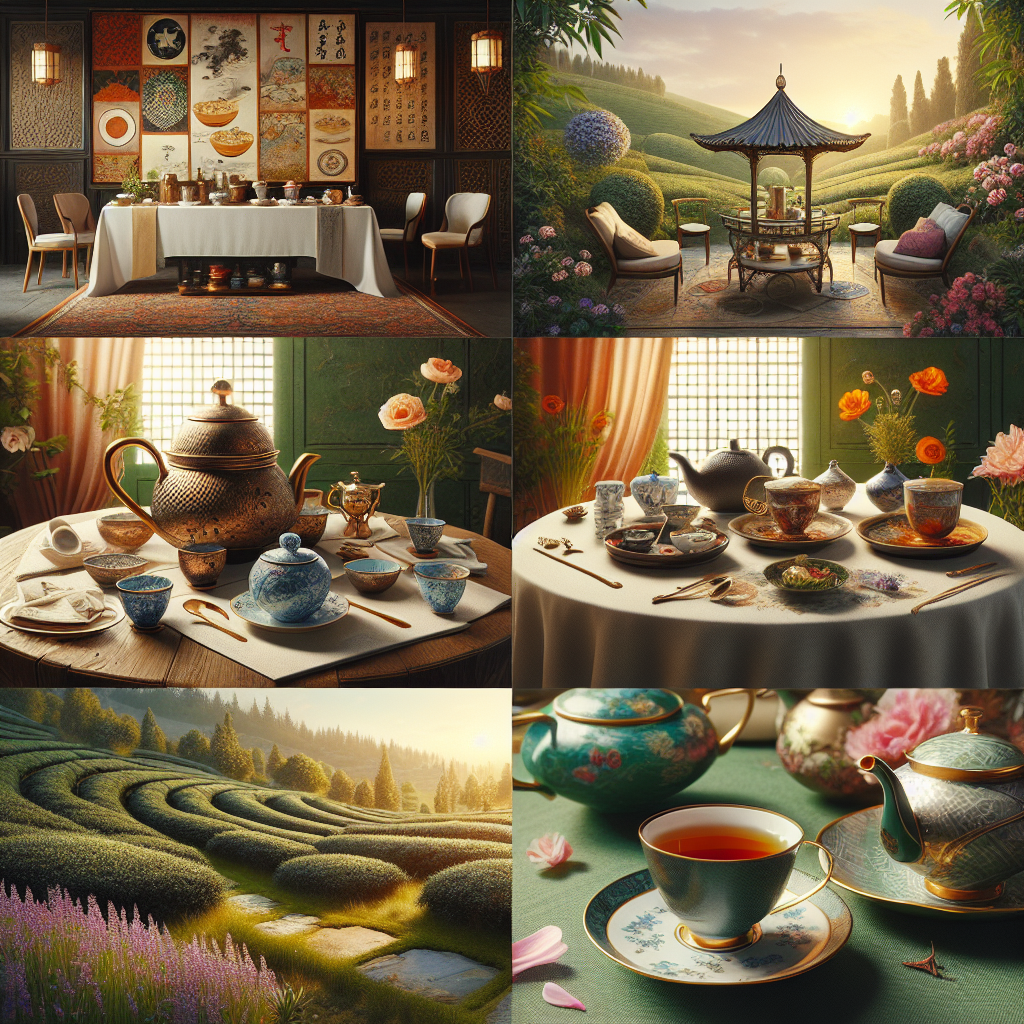
Tea, beyond being just a beverage, is an important symbol of hospitality and social interactions in many cultures. In this article, we will explore the role of tea in the understanding of hospitality, how tea ceremonies have been carried from tradition to modern life, the tea consumption traditions in different countries, and the effects of tea on mental peace. Additionally, we will touch upon the health aspects of tea, highlighting the benefits that this valuable drink offers.
Tea and Hospitality: A Cultural Connection
Tea is considered a fundamental element of hospitality in many cultures. Traditional tea presentations are not merely about serving a beverage; they are also a demonstration of friendship, respect, and sharing. In different regions, the presentation and consumption of tea are intertwined with local customs and rituals. In this context, tea serves as a means of strengthening social bonds and bringing people together.
Especially in Eastern cultures, serving tea signifies the honouring and welcoming of guests. The tea prepared for guests is perceived as a demonstration of the host's hospitality. For example, in China, the tea ceremony not only involves the preparation of tea but also deepens the connection established with the guest. Such rituals reinforce the guest's place in the home and the host's respect for them.
On the other hand,in Western cultures, tea is also an important part of social interactions. Particularly, the English tea time tradition turns the serving of tea at specific times of the day into a social event. This tradition encourages conversation among friends and family members and strengthens relationships. In these situations, tea is not just a beverage but also a means of establishing social connections.
The deep connection between tea and hospitality enhances the cultural value of tea, elevating it beyond being just a beverage. A cup of tea prepared for guests also reflects the host's appreciation and respect for them. Therefore, serving tea has become an important social ritual in many cultures, strengthening the bonds between people.
Tea Ceremonies: From Tradition to Modern Life
Tea holds an important place in many cultures, serving not just as a beverage but also as a symbol of social interactions and hospitality.Tea ceremonies provide an excellent opportunity to preserve this cultural heritage and pass it on to future generations. Each tea ceremony offers a rich experience with its unique traditions, rituals, and meanings.
The origins of tea ceremonies are generally based on cultural elements that have developed in different geographical areas throughout history. For example, the Tea Ceremony (Chanoyu) in Japan encompasses not only the preparation and serving of tea but also aesthetics as an art form and a meditative experience. In this ceremony, the steps followed during the preparation and serving of tea help the guest find spiritual peace.
In China, theKung Fu Teatradition is based on the high-quality preparation and presentation of tea. This tradition follows a detailed process to maximise the flavour and aroma of the tea. Guests become part of this process by watching the preparation of the tea.
In addition to traditional tea ceremonies, the role of tea in modern life is also changing. Today, the presentation of tea at tea parties and social events has become an enjoyable experience where different flavours and presentation techniques come together.Tea is used as a means of bringing people together and strengthening social bonds.
- To introduce different types of tea and provide an opportunity for tasting.
- Adding a short presentation showing how to prepare tea.
- Offering various options for guests to try light snacks with tea.
As a result, tea ceremonies continue to be an indispensable part of social interactions and hospitality in modern life, in addition to preserving cultural heritage. Tea allows people to come together, share, and enjoy pleasant moments. Thus, the transition of tea from tradition to modern life becomes an important element that enriches our cultural diversity.
The Role of Tea in Social Interactions
Tea is more than just a beverage for many cultures around the world; it is an element that carries deep social meanings. As an important part of the understanding of hospitality, tea facilitates people coming together and reinforces social interactions. Tea ceremonies are among the most beautiful examples of these social dynamics.
Today, tea is regarded not only as a beverage but also as a symbol of friendship, sharing, and communication. In different cultures, the presentation and consumption of tea stand out as a sign of hospitality. For example, in the Far East, tea ceremonies are rituals that not only allow for the enjoyment of tea but also contribute to strengthening social bonds.
The Importance of Tea Ceremonies
Tea ceremonies are important events that reflect a community's cultural identity. These ceremonies express respect for guests and a commitment to social values. The special equipment used in tea presentation and the preparation process deepen the meaning of the ceremony. In this context, some features of tea ceremonies are as follows:
- Ritual and Tradition:Tea ceremonies, conducted with different rituals and traditions in every culture, shed light on the history and values of that society.
- Communication and Connection:Tea brings people together. Tea conversations with guests help strengthen social relationships.
- Relaxation and Peace: Drinking tea contributes to the reduction of stress and the attainment of mental peace, which enhances the quality of social interactions.
The potential of tea to enhance intercultural communication transcends its role as merely a beverage. As an important part of the understanding of hospitality, tea strengthens human relationships and reinforces cultural ties. With every sip, this unique drink brings together traces of the past and hopes for the future, nourishing not just the palate but also the hearts.
Tea Consumption Traditions in Different Countries
Tea is an important element that symbolizes the hospitality of different cultures, going beyond being just a beverage worldwide. The tea consumption traditions of each country reflect the social structure and values of that culture. In this section, we will explore the tea consumption traditions in different countries and how tea ceremonies have developed.
1. Japan: Tea Ceremony and Zen Philosophy
In Japan, the tea ceremony expresses an art form while also being one of the finest examples of hospitality.Chanoyu, as it is known, involves the preparation and presentation of tea with great care. Guests find both mental and spiritual tranquillity by observing the ritual of tea preparation. This process offers an experience intertwined with Zen philosophy.
2. England: The Tradition of Afternoon Tea
In England, tea time is an important part of social interaction. At specific times of the day, usually in the afternoons, tea and various snacks are served. This tradition symbolizes the hospitality of the upper class while also creating connections between different segments of society. The practice known as Afternoon Tea is enriched with treats such as sandwiches, cakes, and scones in addition to tea.
3. China: Traditional Tea Ceremonies
In China, tea carries a deep cultural significance, and traditional tea ceremonies are held to show respect to guests. A tea ceremony is typically conducted in the Gongfu style and focuses on the quality of the tea leaves. While guests enjoy the tea prepared in the teapot, conversation and interaction also play an important role in this process.
4. Turkey: Tea and Hospitality
In Turkey, tea is one of the most fundamental symbols of hospitality. Tea, which is frequently served in every home, enhances the value of the time spent together when offered to guests. Turkish tea is typically served in slender-waisted tea glasses after brewing. Tea helps to strengthen conversations and friendships, making it an indispensable beverage in social settings.
5. India: Masala Tea and Traditional Treats
In India, tea is typically prepared by blending it with spices and is known as masala chai. When served to guests, it is usually accompanied by various snacks. The tea culture in India is enriched by the social interactions brought about by the warm climate, and tea becomes an indispensable part of daily life.
As a result, tea consumption traditions carry different meanings in each culture. Symbolising hospitality, this beverage helps facilitate social interactions and the transmission of cultural values. Tea is not just a drink; it also creates a bond that brings people together.
Tea and Mental Peace: Integration with Meditation
Tea, beyond being just a beverage, plays an important role in the quest for spiritual tranquility and inner peace in many cultures. When combined with meditation, the relaxation and peace effects provided by tea deepen even further. In this article, we will explore how tea integrates with meditation practice and the contributions of this combination to our mental health.
The Effect of Tea on Meditation
Brewing and drinking tea can be considered a type of ritual. This process calms the mind and enhances focus. The meeting of tea leaves with hot water is not just a physical act, but also a mental journey. Consuming tea during meditation provides mental tranquility while also invigorating the senses.
Which Teas Are More Suitable for Meditation?
- Green Tea:Provides mental relaxation thanks to its high L-theanine content.
- White Tea:Provides a sense of calm during meditation with a light and refreshing taste.
- Oolong Tea:Enhances attention and concentration with its balanced aroma.
- Black Tea:It can be a mind-opening drink before meditation due to its energising effects.
Preparing the Meditation Environment
It is important to create a suitable environment for practising meditation with tea. In this environment, silence, dim lighting, and a comfortable sitting position should be ensured. After brewing your tea, take a few deep breaths to clear your mind and focus on the taste and aroma of the tea. This process will enhance the effects of meditation and reinforce your mental peace.
Tea meditation is an effective method in the pursuit of spiritual calmness and peace. This practice can help you distance yourself from the stresses of daily life and strengthen your mental health. With each sip, you can experience the benefits offered by both tea and meditation.
Tea and Health: The Health Aspect of Hospitality
Tea is considered a symbol of hospitality in many cultures. However, the health benefits that tea offers reveal that this hospitality is not just a ritual but also a way of life. The teas we serve to our guests go beyond being just a beverage; they provide significant health advantages.
The relaxing effects of tea, when combined with the social aspect of hospitality, reduce the stress of people coming together and make conversations more enjoyable. Thanks to theantioxidantsandflavonoidsit contains, tea helps to strengthen the immune system. This is an important factor in protecting the health of our guests.
The types of tea we offer to our guests can provide different health benefits. For example:
- Green tea:Accelerates metabolism and helps with weight control.
- Black tea:Supports heart health and is effective in coping with stress.
- White tea:Maintains skin health and has anti-aging properties.
- Oolong tea:Increases mental alertness and supports concentration.
Tea also strengthens our communication with guests. The time spent around a tea glass allows for sincere conversations and the formation of deep connections. In this context, the health benefits of tea encompass not only physical but also mental and social well-being.