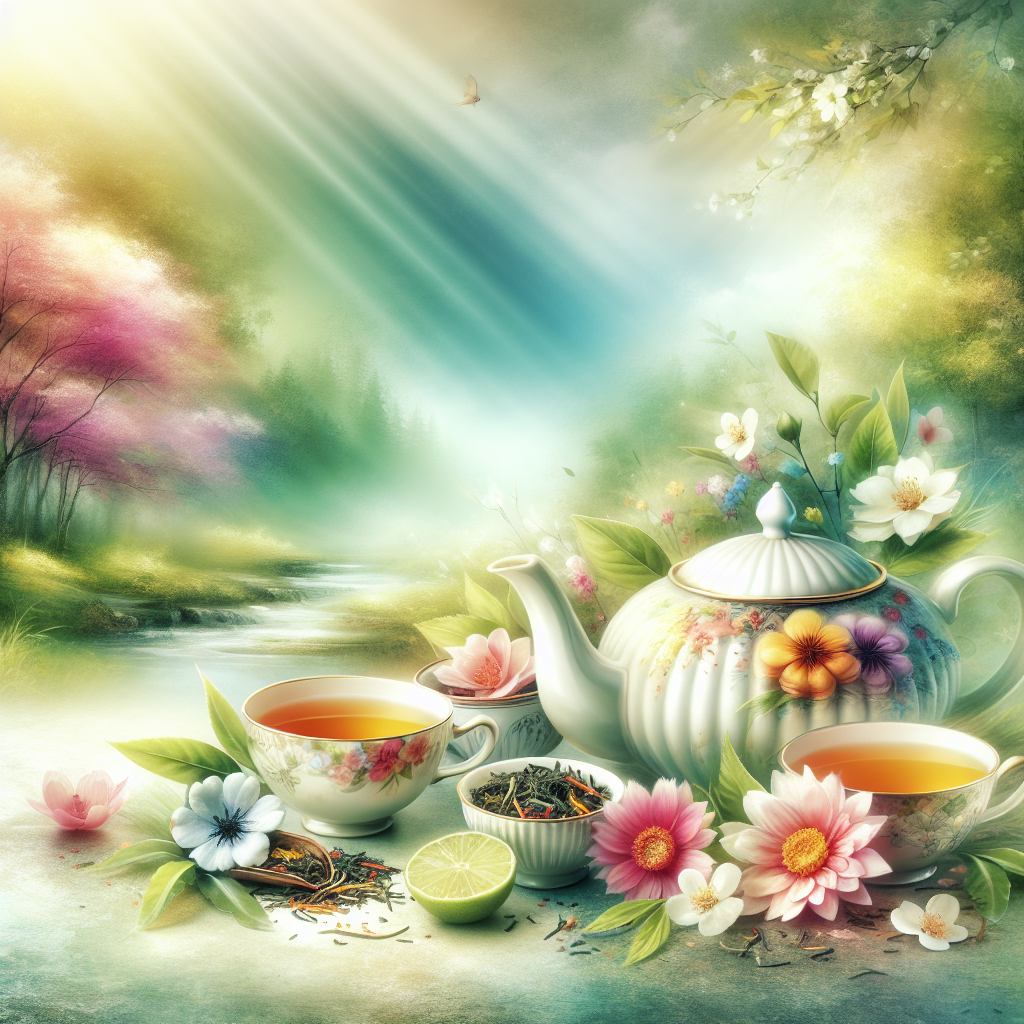
Tea, beyond being just a beverage, offers a rich experience that stimulates our senses and affects our mood. In this article, we will explore the meaning of tea's aromatic profiles, its effects on the mind and spirit, its connection to meditation, the power of sensory experiences, its relationship with health, and its role in social interactions. By delving into the depths of tea's aroma, we will begin to understand the contributions of this unique drink to our mental and spiritual well-being.
Meaning of the Aromatic Profile
Aromatic profile is a unique combination characterised by the distinctive aromas and flavours of a tea. Each type of tea carries different aromatic properties because it is grown in different climatic conditions, soil compositions, and processing methods by nature. The aroma of teas offers a complex experience that affects not only our taste buds but also our minds and spirits.
Çayın aromatik profili,bitkisel, meyvemsi, çiçeksi veya baharatlınotalar içerebilir. Bu notalar, çayın türüne ve işlenme şekline göre değişiklik gösterir. Örneğin,siyah çaylargenellikle daha yoğun ve zengin bir aromaya sahipken,yeşil çaylardaha hafif ve taze bir kokuya sahiptir.Oolong çayı, hem siyah hem de yeşil çayın özelliklerini taşıyarak karmaşık bir aromatik profil sunarken,beyaz çay, narin ve hafif bir aroma ile öne çıkar.
The aromatic profile is directly related to the way the tea is prepared. Thebrewing time, water temperature, and the quality of the water used play a significant role in the emergence of flavours. Correct brewing techniques are crucial for bringing out the tea's aroma in the best possible way. For example, it is recommended that green tea is brewed at a lower temperature and for a shorter time to preserve its aroma.
The aromatic profiles of teas not only affect our tasting experience but also our mood. The scents offered by tea can evoke certain associations in our minds and emotions. Therefore, the aroma of tea has a significant impact on both our physical and psychological health.
Effects on the Mind
Tea, beyond being just a beverage worldwide, is an element that can have profound effects on mental health. The unique aromatic profiles of different types of tea can create positive effects on our mental state.In this article, we will explore the effects of tea on the mind and how these effects manifest.
The caffeine in tea increases mental alertness and supports concentration. Especially green tea, thanks to its content of the amino acid L-theanine, can create a calming effect while also enhancing mental performance. This can help reduce stress and provide mental clarity.
- Caffeine: Increases mental alertness.
- L-theanine: Provides a calming effect.
- Sensory experience: Tea aromas have psychological effects.
The aromatic properties of tea not only affect our taste but also our mood. For example, the pleasant aroma and refreshing taste of tea can reduce mental fatigue and improve our overall mood. When combined with aromatherapy, the experience of drinking tea becomes even deeper; it plays an important role in relaxation, stress reduction, and the pursuit of peace.
The contributions of tea to mental health are not limited to its content. The ritual of drinking tea is also important in social interactions. Tea ceremonies can help to create bonds between individuals and strengthen social relationships. Such social interactions are an important element that supports mental health.
As a result, tea is a natural beverage that can have positive effects on our mental health.Choosing tea in daily life can be an effective strategy to enhance mental performance and provide emotional calmness.
Spiritual Peace and Meditation
Tea has been used throughout history in many cultures as more than just a beverage; it has served as an important tool in the pursuit of spiritual and mental peace. Especially when combined with meditation practices, the spiritual effects of tea become even deeper. Meditation helps to ensure harmony between the mind and body, while tea supports this process, aiding you in enhancing your inner calm.
The combination of tea and meditation not only strengthens mental health but also offers an opportunity to escape the stresses of daily life. The amino acids in tea create a relaxing and calming effect while also supporting mental focus. In particular, green tea and white tea are among the preferred teas in meditation practices due to these qualities.
- Provides spiritual calmness.
- Increases mental focus.
- Reduces stress and anxiety.
- Provides a feeling of relaxation.
Drinking tea while meditating also invigorates your senses. Thearomatic structure of tea enriches your meditation environment and further opens your mind. The process of preparing tea can be perceived as a ritual that requires patience; this adds depth to your meditation practice. Every moment experienced during thebrewing process allows you to embark on a mental journey.
Determining which tea is most suitable for meditation depends on personal preferences. For example, lavender-flavoured green tea may be an ideal choice for your meditation sessions due to its calming effects. However, Japanese matcha tea, with its rich and nourishing properties, not only boosts your energy levels but also provides mental clarity.
As a result, the combination of tea and meditation offers a perfect method for achieving spiritual peace. These two practices can support your mental health while helping you escape the chaos of daily life. Prepare your tea, find a quiet corner, and enjoy your meditation.
The Power of Sensory Experiences
Tea offers an experience that goes beyond being just a beverage, leaving profound effects on our senses. Each type of tea takes the drinker on a different journey with its unique aromas, colours, and flavours.The aromatic profiles of tea play a significant role in our mental and spiritual state.
The taste of tea is directly related to its aromatic components. These components appeal to our senses to provide both mental peace and physical relaxation. For example, green tea offers mental clarity with its high antioxidant content, while black tea stands out as a dynamic source of energy.
Understanding how our senses interact during the consumption of tea deepens this experience.Visual perception begins with the colour of the tea. As the tea brews, the spectrum of colours presented by the leaves combined with water creates an aesthetic satisfaction in our eyes. Then, theolfactory experience comes into play. The unique aroma of each type of tea can evoke different emotions mentally.
Finally, the process of tasting tea is enriched by the impressions it leaves on our palate.Aromatherapywise, the natural components contained in tea can improve our mood. For example, a tea blended with chamomile and lavender creates a feeling of stress reduction and relaxation, while a tea with ginger and lemon boosts our energy levels.
- The aroma of tea is an important factor that affects our mental and emotional state.
- Green tea provides mental clarity while black tea gives energy.
- Teas enriched with aromatherapy can improve our mood.
As a result, thesensory experiences offered by tea affect not only our taste buds but also our minds and souls. The tea drinking ritual makes this deep experience more meaningful and offers a new discovery with each sip.
The Relationship Between Tea Flavours and Health
Tea is not just a beverage; it also offers an experience that has profound effects on mental and emotional well-being. The aromatic components of tea can create positive effects on both physical and psychological health. In this article, we will explore the relationship between tea aromas and health, and examine how this unique drink can influence our mood.
The different types of teas are recognised for their unique aromatic profiles. For example, the light and fresh aroma of green tea can enhance mental alertness, while the deep and rich aroma of black tea may create a feeling of relaxation. Oolong tea, with its slightly floral aroma, supports mental calmness, while the gentle and delicate aroma of white tea can help reduce stress levels.
- Mood Enhancement:Tea aromas can improve mood by increasing serotonin and dopamine levels.
- Stress Reduction:Thanks to its aromatherapy effects, drinking tea has the potential to reduce stress and anxiety.
- Increased Concentration:Especially green tea can enhance mental focus due to its L-theanine content.
To fully benefit from the health advantages of teas, the brewing methods are also important. Teas brewed at the correct temperature and duration allow their aromas to be fully expressed. For example, it is recommended that green tea is brewed at 80-85 °C, while black tea is ideally brewed at 90-95 °C. This helps the aromas and health components reach their maximum levels.
Additionally, tea consumption has positive effects on mental health as a social activity. A tea chat with friends strengthens social connections and provides mental relaxation. Therefore, it is important to consider tea not only as a beverage but also as a medium for social interactions.
As a result, the relationship between tea flavours and health offers both physical and psychological benefits. It should not be forgotten that drinking tea is not only a delicious experience but also an activity that supports mental and emotional well-being. With every sip, incorporating this unique beverage that brings together health and happiness into your life will be good for both your body and your spirit.
Aromatherapy and Tea
Tea is more than just a beverage; it is an important element that supports mental and spiritual health. In recent years, the role of tea's aromas in aromatherapy has been receiving increasing attention. Aromatherapy is a treatment method that aims to improve mood and overall health through the use of herbal oils and natural essences. The unique aromatic profiles of tea have become an essential part of this therapy.
Each type of tea contains different aromas and components. For example, the light and fresh aroma of green tea creates a mind-clearing effect, while the more intense and rich aroma of black tea offers a relaxing experience. These types of aromas can be used to promote mental and emotional balance. To enhance the effects of tea on spiritual health, some suggestions on how to utilise the aromas of different types of tea are listed below:
- Chamomile and White Tea for Relaxation:Chamomile tea is known for its calming effects. When combined with white tea, it creates a perfect blend in terms of both aroma and health benefits.
- Green Tea and Mint for Concentration:The wakefulness effect of green tea, when combined with mint, provides mental clarity and focus.
- Black Tea and Ginger for Energy Boost:When the rich structure of black tea combines with the energising properties of ginger, it helps you stay alert throughout the day.
- Oolong Tea and Lemon for Mood: Oolong tea helps improve mood, while the refreshing aroma of lemon enhances this effect.
The aromatic properties of tea can be utilised not only during consumption but also in meditation and relaxation processes. After brewing your tea, taking deep breaths for a few minutes to inhale its aromas can help you achieve mental peace. This practice stands out as an effective way to reduce stress and promote inner calm.
As a result, the aromatic profiles of tea, when combined with the benefits offered by aromatherapy, contribute to supporting both mental and spiritual health. However, it is important to pay attention to the quality of the tea and the brewing methods to benefit from this unique experience. Remember that each type of tea offers different experiences with its own unique aroma and benefits.
Tea and Social Interaction
Tea, beyond being just a beverage, is an important part of social interactions and cultural exchange. It particularly stands out as afactor that strengthens social bonds. The tea-drinking rituals in different cultures create a platform that allows people to come together, engage in conversation, and establish emotional connections.
Tea ceremonies are among the most beautiful examples of these social dynamics. In the Far East, particularly in Japan and China, tea ceremonies carry a deep meaning and offer participants peace and tranquility. These rituals are designed to foster respect and understanding among participants. Each action, from the preparation of the tea to its presentation, consists of carefully considered steps, which deepens social interaction.
- Strengthens Social Bonds:Tea is at the centre of conversation and sharing among people.
- Preserves Rituals and Traditions:Tea ceremonies are a part of cultural heritage and are passed down from generation to generation.
- Increases Emotional Connections:Tea drinking moments strengthen people's emotional bonds.
Tea is also a symbol of hospitality and welcome. Offering tea to a guest means showing respect and hosting them. This is a common tradition in many cultures and strengthens bonds with guests. Serving tea is not just about offering a drink, but also about creating a moment of friendship and sharing.
As a result, the role of tea in social interactions goes far beyond being just a beverage. Tea is a means that brings people together, strengthens emotional bonds, and preserves cultural values. Therefore, drinking tea is not just a pleasure but also a part of social life.